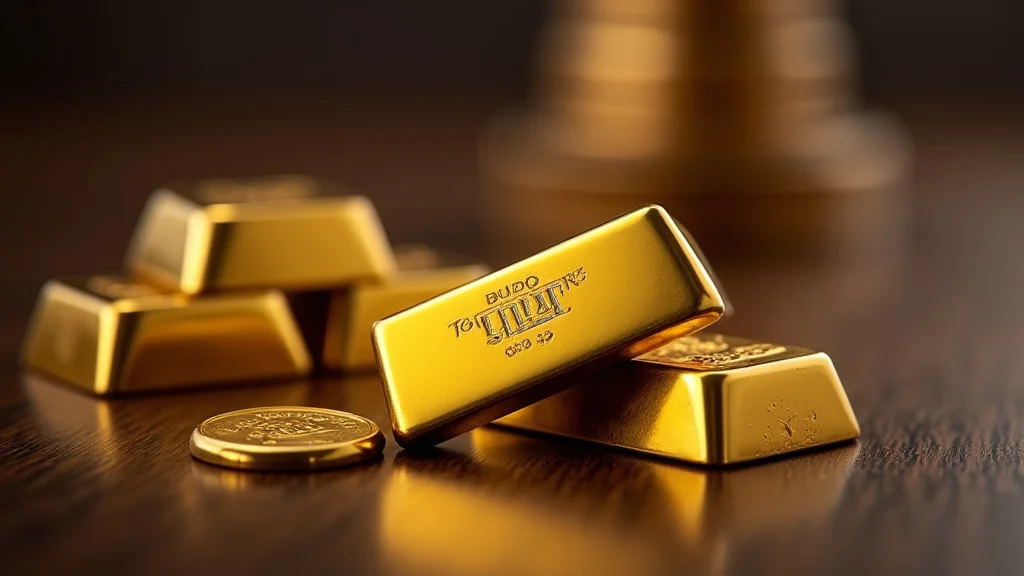
Remember that time you found what you thought was a lost treasure chest in your attic? The excitement was real, right? But before you start dreaming of riches, it’s a good idea to know if what you have is actually real gold. This guide will walk you through easy and reliable ways to check gold at home, protecting you from disappointment and potential scams. You’ll learn simple techniques, useful tests, and how to spot fakes. This information will help you identify the real deal, allowing you to accurately assess the value of your potential find and improve your knowledge.
Simple Tests to Determine if Gold Is Genuine
Before you get your hopes up, it is essential to explore methods that allow you to assess the authenticity of your gold items from the comfort of your home. Several straightforward tests can help you distinguish between real gold and imitations. These methods are cost-effective and don’t require specialized equipment. They are designed to give you a basic idea of whether an item is real gold, helping to avoid potential losses that come with purchasing or inheriting fake gold. However, it’s important to remember that these tests are not foolproof and that a professional appraisal is always recommended for a definitive confirmation of value.
The Magnet Test
Gold is not magnetic, so a simple magnet can be a quick initial check. If the item sticks to the magnet, it’s definitely not pure gold and likely contains iron or another magnetic metal. This method is exceptionally easy and can be done with a regular household magnet. Just hold the magnet close to the item; if it’s attracted, it’s a red flag. Gold’s lack of magnetism provides a quick, easy way to eliminate a vast number of potential fakes. This test is best used as a first step in evaluating your item, as it can quickly rule out items that contain magnetic metals.
- How to Conduct the Magnet Test: Obtain a strong magnet (neodymium magnets are best). Hold the magnet close to the item. If the item is attracted to the magnet, it is not pure gold.
- Why it Works: Pure gold doesn’t attract magnets. Other metals used in fake gold, such as iron and nickel, do.
- Limitations: Some fake gold may use non-magnetic materials that pass this test. It’s a screening test, not a definitive verification.
- Advantages: Quick, easy, and requires no special tools.
- Key Considerations: Make sure the magnet is strong enough to attract any magnetic metals present.
The Ceramic Test
This test involves rubbing the gold item against an unglazed ceramic surface. Real gold will leave a gold streak, while fake gold will leave a different colored streak or none at all. The ceramic’s roughness is key to this method; it gently rubs off a tiny amount of the gold or its coating. This method gives you visual evidence. If the streak matches the color of the item and is consistent, then there’s a good chance it’s genuine. This method is a bit more involved than the magnet test, but still simple to conduct at home, giving you valuable visual insights into your item.
- How to Conduct the Ceramic Test: Find an unglazed ceramic tile. Rub the gold item across the tile. Examine the streak left behind.
- Why it Works: Unglazed ceramic is hard enough to leave a mark. The color of the streak indicates the metal used.
- Limitations: This test can be affected by the gold’s purity and any surface coatings. It also may not always work on items that have a very thin layer of gold.
- Advantages: Provides a visual representation of the item’s composition.
- Key Considerations: Use an unglazed ceramic tile for the best results. Check the streak’s color carefully.
The Float Test
Gold is denser than many other metals, so it should sink quickly when placed in water. If the item floats or sinks slowly, it may be fake. This simple test is based on the idea that denser items displace less water than less dense items. Gold’s high density should make it sink quickly. If it takes a while to sink or floats, then the item is probably not gold or is significantly alloyed with less dense metals. While it isn’t definitive on its own, it can provide an initial indication, especially when combined with other methods. For this simple test, you will need a clear glass or bowl and some water.
- How to Conduct the Float Test: Fill a glass with water. Gently drop the gold item into the water. Observe how it sinks.
- Why it Works: Gold is dense. Fake gold is usually made of less dense metals.
- Limitations: Very small or intricately shaped items might float. Alloys can also affect the results.
- Advantages: Extremely simple and requires minimal materials.
- Key Considerations: Ensure the water is clear so you can observe the item’s movement.
More Advanced Methods of Testing Gold at Home
While the basic tests offer a good starting point, some more advanced methods provide further insights. These techniques, while still suitable for home use, may require a bit more preparation and understanding. They give more data and can help you identify items. These methods take more steps, but they help you to develop a more reliable assessment. Although these tests are more complex than the previous ones, they can still be performed at home with common household items or easily obtained supplies.
The Acid Test
This is a more definitive test that involves using nitric acid to determine gold’s purity. Different strengths of acid are used to test different karats of gold. The acid reacts with other metals, but not with gold. This test is a bit more involved, so safety is important. You will need to obtain an acid test kit. These kits usually include different strengths of acid and a testing stone. The reaction of the acid with the metal will tell you how pure the gold is. The acid test provides a more accurate determination than the previous tests.
- How to Conduct the Acid Test: Rub the gold item on a testing stone. Apply a drop of acid to the mark. Observe the reaction.
- Why it Works: Nitric acid doesn’t react with gold. Other metals in fake gold will react and dissolve.
- Limitations: This test is destructive and may leave a mark on the item. Incorrect usage can cause harm.
- Advantages: More accurate than the basic tests.
- Key Considerations: Always use safety equipment, like gloves and eye protection. Conduct the test in a well-ventilated space.
The Weight Test
Gold has a specific density, and knowing this can help you determine if an item is genuine. You need an accurate scale and some basic math skills. Weigh the item and measure its volume. Then, calculate its density. If the density matches that of gold, it’s a good sign. Measuring volume can be done by displacing water, using a graduated cylinder. This process is more involved than the other tests, but it will let you confirm the gold content. A density that matches gold is a strong indication of authenticity. This test also requires you to understand the concept of density and how to calculate it.
- How to Conduct the Weight Test: Weigh the item. Measure its volume by water displacement. Calculate the density (weight/volume).
- Why it Works: Gold has a known density. Fake gold will have a different density.
- Limitations: Requires accurate measurements. Small errors can skew results.
- Advantages: Provides a quantitative analysis.
- Key Considerations: Use a precise scale and measurement tools.
The Digital Tester
Digital gold testers use electrical conductivity to assess the item. This approach provides a non-destructive way to test the gold and is very precise. Digital testers are often favored because they offer accurate and non-destructive results. This method gives you real-time data, and it is easy to use. These instruments are designed to measure the electrical conductivity of the item. As gold has a unique conductivity, the tester can quickly give an indication. You’ll need to clean the surface of your item and follow the manufacturer’s instructions. A digital tester is a valuable tool for anyone serious about how to check gold at home.
- How to Conduct the Digital Tester: Clean the testing surface on the gold. Place the tester on the gold item, following the instructions.
- Why it Works: Gold has a unique electrical conductivity.
- Limitations: May be affected by surface coatings. Testers can be expensive.
- Advantages: Non-destructive and accurate.
- Key Considerations: Follow the manufacturer’s instructions for best results.
Common Types of Gold Fakes and How to Spot Them
Knowing the common types of fakes helps you spot them easily. Gold fakes come in various forms, from plated items to solid imposters. Familiarity with these types is key to avoiding scams. Each type of fake attempts to mimic gold, but understanding their differences can aid in detection. Identifying the methods used in counterfeiting can help you improve your skills in detecting fraudulent products. Awareness of different types is an important step when you learn how to check gold at home.
Gold-Plated Items
These items have a thin layer of gold over a base metal. While they look like gold, they contain very little actual gold. The gold layer is often so thin that it can wear off over time. Detecting these requires careful inspection. Look for areas where the gold might be worn or scratched, revealing the base metal. Often, the markings will show ‘GP’ for gold plated or ‘GF’ for gold filled. These items may pass the simple tests initially, but the acid or digital tests can show their true nature. Always check for markings and look closely for any signs of wear that indicate a thin gold layer.
- Appearance: Looks like gold but can be lighter and less lustrous.
- Key Feature: A thin layer of gold on top of another metal.
- How to Spot: Check for wear, scratches, or markings like “GP” or “GF”.
Gold-Filled Items
Gold-filled items have a thicker layer of gold than gold-plated items. This layer is usually bonded to a base metal. They look more durable. They have a higher gold content than gold-plated items, so they often appear more genuine. Look for markings like ‘GF’ or ‘Gold Filled’. This type can be harder to spot than plated items because of the thicker gold layer. Acid and digital tests can help determine if the item is truly gold filled or solid gold. Always check for stamps indicating ‘Gold Filled’ before making a purchase, to ensure the item meets your expectations.
- Appearance: Similar to gold, more durable than plated items.
- Key Feature: Thicker layer of gold, bonded to a base metal.
- How to Spot: Look for markings like “GF” or “Gold Filled”. Check wear patterns.
Gold-Coated Items
Gold-coated items are similar to gold-plated, but the gold coating may be applied using methods like electroplating. They provide a nice visual. The term gold-coated is sometimes used interchangeably with gold-plated, but it can also refer to a process where the gold is applied to the surface. Just as with gold-plated items, these items are not pure gold. The acid test or digital gold tester will quickly reveal if the item is truly gold. By using the testing methods, you can verify what you are looking at and make sure that you do not get scammed.
- Appearance: Similar to gold-plated, with a gold coating.
- Key Feature: Gold applied via a coating method.
- How to Spot: Check for signs of wear and tear or markings.
Solid Fakes
These are made from materials like tungsten or brass, coated to look like gold. Solid fakes are the most deceptive because they are not plated or filled. They are made to mimic the weight and appearance of gold. These fakes can be more difficult to detect. They may pass some of the simpler tests, which makes them a serious scam. Using acid or digital gold testers is important to verify them. Always double-check items that appear to be solid gold. Be careful when shopping for gold, whether online or in person.
- Appearance: May look identical to gold, especially at first glance.
- Key Feature: Solid fake made to mimic gold’s appearance and weight.
- How to Spot: Requires acid or digital tests for definitive identification.
Gold-Plated vs. Gold-Filled vs. Solid Gold
The differences between gold-plated, gold-filled, and solid gold are based on the amount of gold in the item and how it’s applied. Knowing these differences helps you identify what you have. Solid gold has a purity indicated by karats, from 24K (purest) to lower karats with alloys. Gold-filled items have a thicker gold layer than plated items, and both often contain base metals. It is important to know which item you have so that you know the value of your item.
| Feature | Gold-Plated | Gold-Filled | Solid Gold |
|---|---|---|---|
| Gold Layer | Very Thin | Thicker than plated | Solid, pure gold or alloy |
| Base Metal | Yes | Yes | May contain alloys |
| Durability | Wears off easily | More durable | Most durable |
| Markings | GP, GF | GF | Karat stamps (e.g., 14K, 18K) |
Additional Tips for Identifying Gold at Home
To improve your gold-identifying skills, there are additional tips you can use to refine your knowledge and ability. These techniques include checking for markings, comparing to known items, and seeking professional advice. They are meant to enhance the methods described earlier. Implementing these tips adds an extra layer of certainty to your assessments. Using these suggestions will further your goal of how to check gold at home.
Check for Hallmarks and Stamps
Gold items often have hallmarks or stamps indicating their purity and maker. These stamps are critical. They can provide important clues regarding the item’s authenticity. Learning to read these marks is a valuable skill. Look for the karat stamp (e.g., 14K, 18K) and the maker’s mark. These stamps are often found on clasps, bands, and the inside of rings. A missing stamp is not an automatic indicator of a fake, but it warrants extra scrutiny. Understanding these markings can simplify identifying real gold. The absence of a hallmark doesn’t necessarily mean an item is fake, but it should prompt further investigation.
- Purpose: Indicate gold purity and manufacturer.
- Location: Often on clasps, bands, and inside rings.
- Examples: “14K,” “18K,” “750” (for 18K gold).
Compare with Known Gold Items
If you own gold items that you know are authentic, compare them. This will give you a benchmark. Compare the color, weight, and general appearance of the items. Matching the look and feel can help you detect inconsistencies. This method isn’t definitive, but it can quickly reveal unusual discrepancies. You can compare the color, shine, and weight of the items. This comparison can help you determine if an unknown item matches your trusted piece. Comparing items will help you develop your visual abilities.
- Method: Compare the unknown item with items you know are real gold.
- Comparison: Check for similar color, weight, and shine.
- Usefulness: Highlights discrepancies that may indicate a fake.
Use Online Resources and Guides
There are many online resources and guides that provide valuable information. These resources are for gold identification and can help you. They range from websites to videos. You can find visual guides, test instructions, and databases of hallmarks. These resources provide a wealth of information, from simple tests to more advanced methods. This will help you identify the items. By using these guides, you will feel more confident about how to check gold at home.
- Access: Websites, videos, and guides.
- Content: Visual guides, test instructions, and hallmark databases.
- Benefits: Enhance your understanding of gold identification methods.
Consider Getting a Professional Appraisal
Although you can check gold at home using basic tests, a professional appraisal is the best option. Professionals have specialized tools and experience that can give you accurate results. An appraiser can accurately assess the gold content and overall value of your item. They can also provide a certificate of authenticity. While a home test can provide a rough idea, a professional assessment is best. If you’re unsure about the gold’s value or purity, getting a professional evaluation is often a good move.
- Accuracy: Highest level of accuracy.
- Methods: Specialized tools and expertise.
- Value: Provides an accurate assessment of gold content and value.
Frequently Asked Questions
Question: Can I use household bleach to test gold?
Answer: No, using bleach is not a reliable method for testing gold. Bleach will not react with real gold, but it can damage the item. It is not recommended as a safe test.
Question: Do all gold items have hallmarks?
Answer: No, not all gold items have hallmarks, especially older items. The absence of a hallmark doesn’t automatically mean the item is fake, but it’s worth further investigation.
Question: What’s the best test to use at home?
Answer: The magnet test and the ceramic test are simple starting points. However, the acid test or a digital tester gives a more accurate assessment of the gold’s purity.
Question: Can I damage my gold item when testing it?
Answer: Simple tests like the magnet and the float test pose no risk of damage. However, more advanced tests, like the acid test, can potentially damage the item if not done carefully.
Question: How accurate are these home tests?
Answer: Simple home tests provide a general idea, but they are not definitive. Digital testers and professional appraisals offer greater accuracy.
Final Thoughts
Now that you have explored how to check gold at home, you’re better prepared to assess your gold items. Remember that the journey of gold identification starts with basic tests like the magnet and ceramic tests, but it will be improved by using more advanced techniques and understanding common fakes. By understanding hallmarks and comparing items, you can enhance your skills. Although you can learn a lot about gold using home tests, it is essential to remember that a professional appraisal is best when you need to know the true value or purity of an item. With your new-found knowledge, you can now approach gold with confidence, avoiding disappointment and recognizing genuine treasures. So, go forth and explore – and may your discoveries be truly golden!

