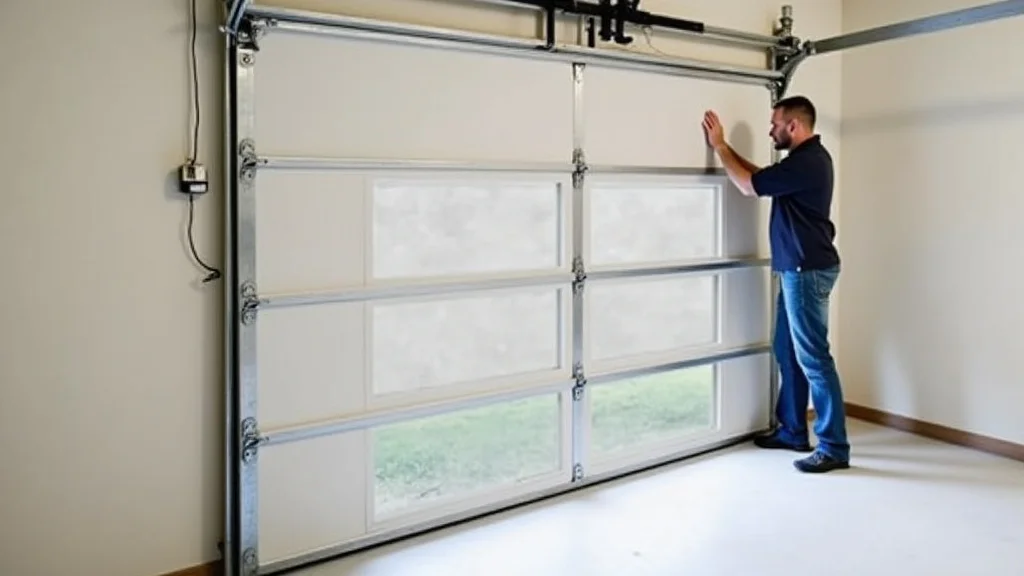
Picture this: It’s Saturday morning, and you’re ready to get your car out for a fun day, but your garage door screeches and struggles. The culprit? Probably those worn-out garage door rollers. Don’t worry, you don’t need to call a repairman just yet! This guide will walk you through how to change your garage door rollers, saving you money and giving you a sense of accomplishment. You’ll learn everything you need, from the right tools to safety tips. By the end, you’ll be able to tackle this common home maintenance task confidently, improving the functionality of your garage door and potentially adding years to its life.
Assessing the Problem and Gathering Supplies
Before you even think about grabbing a wrench, you need to figure out what’s wrong and get the right tools. Often, squealing noises or a jerky door are signs of damaged rollers. Also, a visual inspection can reveal if the rollers are cracked, chipped, or completely missing. This initial check is important. It helps determine the severity of the issue and ensures you have the necessary supplies.
In the United States, roughly 30 million garage doors are in use. Many of these doors experience issues related to rollers over time. A proactive approach to maintenance can address such problems.
Safety First: Preparing for the Job
Safety is paramount when dealing with a garage door. The springs are under immense tension, and mishandling them can lead to serious injury. Before you begin, disconnect the power to your garage door opener. This will prevent accidental activation. Next, use locking pliers or clamps to secure the door in the open position. This is the most crucial step.
- Always wear safety glasses. Debris can easily fly into your eyes during this process.
- Wear work gloves to protect your hands from sharp edges and pinch points.
- Never attempt this repair if you’re unsure about any step or uncomfortable working with tools.
- Have a helper available, especially when handling the door or heavy parts.
What You’ll Need
Now, let’s gather your supplies. You’ll need replacement rollers. These come in various materials, such as steel or nylon. Nylon rollers are quieter and typically last longer, but steel ones can be more durable in certain environments. Make sure you get the correct size and type of roller for your door. You’ll also need a few essential tools.
- New garage door rollers (matching the size and type of your existing ones)
- Safety glasses and work gloves
- Wrench set (or adjustable wrench)
- Screwdriver (Phillips head and flathead)
- Pliers
- Step ladder
- WD-40 or similar lubricant (optional, but recommended)
Replacing Garage Door Rollers: A Step-by-Step Guide
With your safety precautions in place and your supplies gathered, it’s time to get down to business. This process involves carefully removing the old rollers and installing the new ones. Remember to work slowly and deliberately, paying close attention to each step. Taking shortcuts could compromise the integrity of the door.
According to the Home Improvement Research Institute, garage door repairs are a common source of DIY projects, with over 10 million such projects undertaken annually. This is a testament to the fact that many homeowners are comfortable tackling these tasks.
Removing the Old Rollers
Start by loosening the bolts that hold the roller brackets to the door. These bolts are usually located on the inside of the door. Use the correct-sized wrench to loosen them, but don’t remove them completely until you’re ready to remove the old roller. Carefully slide the roller out of the track. If the roller is stuck, use a flathead screwdriver to gently pry it free. Be careful not to damage the door or the track.
If the rollers are particularly worn or rusted, they might be difficult to remove. In such cases, apply some penetrating oil, such as WD-40, and allow it to sit for a few minutes before trying again. Be patient, and apply steady pressure. Avoid using excessive force, as this could damage the door frame or the track.
Installing the New Rollers
Once you’ve removed the old roller, slide the new one into the track. Align the bracket with the holes in the door and tighten the bolts. Make sure the roller moves freely in the track. Repeat this process for all the rollers you’re replacing. Be sure to check that the door operates smoothly after installing each roller. This ensures that the door is not binding or putting undue stress on the new components.
The choice of roller material can also influence the sound the garage door makes as it operates. For instance, nylon rollers typically generate less noise than steel rollers, which can make a noticeable difference if your garage is near living spaces. This is a factor often considered when planning a project to change garage door rollers.
Lubrication and Testing
After installing all the new rollers, it’s a good idea to lubricate the tracks and rollers. This will help them move smoothly and prolong their lifespan. Apply a silicone-based lubricant to the tracks and rollers. Avoid using grease, as it can attract dirt and grime. Carefully test the door’s operation, ensuring it moves smoothly and quietly. If you notice any problems, recheck your work and make sure all the bolts are properly tightened.
Regular maintenance, including lubricating the door tracks, can dramatically extend the life of your garage door. Such maintenance is something you can do yourself. It is a good practice to lubricate the tracks and rollers every few months.
Troubleshooting Common Issues
Even with careful planning and execution, you might encounter some problems during this process. Understanding these potential issues and how to address them can save you time and frustration. From stubborn bolts to misaligned tracks, be prepared to troubleshoot.
About 20% of all garage door issues are related to faulty rollers or tracks. These issues can often be addressed without professional help. A homeowner who learns how to change garage door rollers can address many issues.
Dealing with Stubborn Bolts
Sometimes, bolts can be difficult to remove due to rust or corrosion. If a bolt won’t budge, try using a penetrating oil to help loosen it. Apply the oil and let it soak for 15-30 minutes. Then, try tightening the bolt slightly before attempting to loosen it again. This technique, called the “wiggle method,” can sometimes break the corrosion. If the bolt still won’t move, you might need to use a bolt extractor or, as a last resort, cut it off with a hacksaw or grinder. Always be cautious when using power tools.
Keep in mind that when you are removing or working with garage door components, it is usually a good idea to have a backup plan. In this case, that means knowing how to deal with stubborn bolts, just in case.
Addressing Misaligned Tracks
If the garage door isn’t moving smoothly after you change garage door rollers, the tracks might be misaligned. Check the tracks for any dents or bends. Use a level to ensure they are plumb and level. If the tracks are slightly out of alignment, you can often adjust them by loosening the mounting bolts and gently tapping them into position. Use a rubber mallet to avoid damaging the tracks. If the tracks are severely damaged, you may need to replace them.
Before buying
Door Is Still Noisy
If the door is still noisy after you change the rollers, there might be other issues. First, inspect the springs for any signs of wear or damage. Springs are under high tension and can be dangerous to handle. If you suspect a problem with the springs, it’s best to consult a professional. Also, inspect the tracks for any obstructions or debris that could be causing the noise. Lubricate the tracks and rollers regularly to ensure they move smoothly and quietly.
Garage door noise often comes from a combination of factors. This might include worn-out rollers, dry tracks, and even problems with the door opener itself. Addressing these factors will improve the function of the door.
Choosing the Right Rollers for Your Garage Door
Selecting the right rollers is a critical step in the process. Rollers come in different materials, sizes, and configurations. Making the correct choice will ensure that your garage door operates efficiently and safely. Choosing the right components improves the safety and longevity of your garage door.
The market is flooded with various types of garage door components. These components have many characteristics that can be confusing. Taking the time to research and select the right components is worthwhile.
Roller Materials: Steel vs. Nylon
The material of your rollers significantly affects their performance. Steel rollers are known for their durability and are often the most economical option. They are a good choice for heavier doors and in situations where long-term wear is a primary concern. However, steel rollers can be noisy. Nylon rollers are quieter and provide a smoother operation. Nylon rollers are often preferred for garages near living spaces. They generally last longer than steel rollers but may not be as durable in high-stress situations. The choice depends on your specific needs and priorities.
| Feature | Steel Rollers | Nylon Rollers |
|---|---|---|
| Durability | High | Moderate |
| Noise Level | High | Low |
| Cost | Lower | Higher |
| Lifespan | Moderate | Longer |
Roller Size and Compatibility
Choosing the correct size is essential for proper fit and function. Measure your old rollers to determine their diameter and the length of the stem (the part that inserts into the bracket). Common roller sizes include 2-inch and 3-inch diameters. Also, check the type of stem. Some stems have a ball bearing, while others are simply a solid rod. Make sure the new rollers are compatible with your garage door brackets and tracks. Using the wrong size could damage the door or prevent it from operating correctly. You may need to consult your door’s manual or contact a garage door specialist if you’re unsure.
Different brands and models of garage doors may use different types of rollers. Therefore, it is important to check the specifics for your garage door. Also, make sure that the
Roller Replacement Frequency and Maintenance
The frequency with which you’ll need to change garage door rollers depends on the material, usage, and maintenance. Steel rollers often need replacement every 5-7 years, while nylon rollers can last 7-10 years or longer. Regular maintenance, such as lubricating the rollers and tracks, can extend their lifespan. If you notice any signs of wear, such as cracking, chipping, or excessive noise, it’s time to replace the rollers. Addressing these issues will prevent further damage to the garage door system.
The lifespan of garage door rollers is determined by several factors. The frequency of use, the climate, and even the quality of the installation can affect their longevity. Regular inspection and maintenance can help extend the life of the rollers.
Frequently Asked Questions
Question: How often should I lubricate my garage door rollers?
Answer: It’s best to lubricate your rollers every 3-6 months, or more frequently if you use your garage door a lot. Use a silicone-based lubricant, and avoid grease, as it can attract dirt.
Question: What’s the difference between steel and nylon rollers?
Answer: Steel rollers are more durable and can handle heavier doors. Nylon rollers are quieter and typically last longer, making them a good option if you want a quieter garage door.
Question: How do I know what size rollers I need?
Answer: Measure your existing rollers to determine their diameter. Common sizes are 2-inch and 3-inch. Check the length of the stem, too. Ensure the new rollers are compatible with your brackets and tracks.
Question: Is it safe to change garage door rollers myself?
Answer: Yes, as long as you disconnect the power, secure the door in the open position, and follow safety precautions. If you’re not comfortable with this task, it’s always best to call a professional.
Question: My garage door is still noisy after I changed the rollers. What should I do?
Answer: Check the tracks for debris or damage. Lubricate the tracks and rollers. Also, inspect the springs for any issues. If the noise persists, it may be a sign of a more serious problem, so call a professional.
Final Thoughts
Now you have the knowledge to change garage door rollers confidently. You’ve learned how to assess the problem, gather the necessary supplies, and follow a step-by-step process. You also know how to troubleshoot common issues and choose the right

