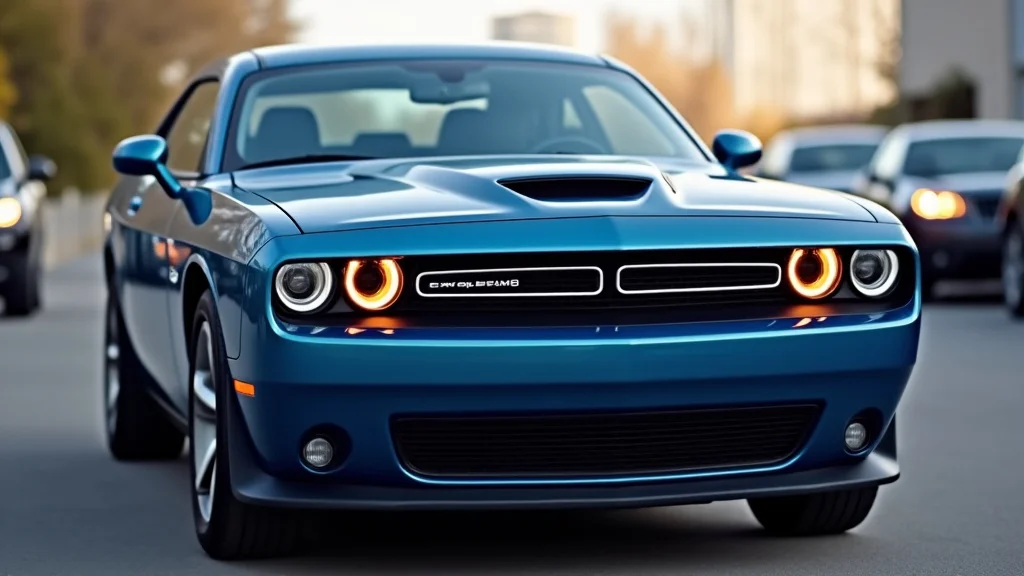
Picture this: you’re backing out of a parking spot, and bam – a minor fender bender. Now you’re staring at a damaged bumper, and the question that immediately pops into your head is: how much does it cost to replace a bumper? This common issue plagues drivers, but finding a straightforward answer can be tricky. This guide removes the guesswork, providing a detailed breakdown of costs, factors, and everything else you need to know. You’ll gain a solid grasp of what to expect, improving your peace of mind and reducing the potential for costly surprises. This helps you make informed decisions and budget effectively.
What Influences the Cost of Bumper Replacement?
Several variables impact the total expense when replacing a bumper. The price isn’t a fixed amount; it fluctuates based on the car’s make and model, the type of bumper, and the repair shop you select. The location of the repair shop also plays a part. A shop in a major city may charge more than a shop in a smaller town due to higher operating expenses. Labor costs, too, vary, depending on the mechanic’s experience and the complexity of the job. Choosing between new, used, or aftermarket parts has a significant impact, too. Understanding these factors allows for a more realistic assessment of the potential costs involved.
Vehicle Make and Model
The car’s make and model significantly influence the cost of a bumper
- Luxury Cars: Vehicles from brands like BMW, Mercedes-Benz, and Audi typically have expensive components. Their bumpers may incorporate advanced sensors and materials that increase the price.
- Sports Cars: These cars often feature unique and aerodynamic designs. Replacements can be costly because of the specialized manufacturing and potential custom modifications needed.
- Older Vehicles: Finding new parts for older cars might be challenging. If new parts are unavailable, you might have to choose a used or aftermarket bumper, which could still be costly depending on condition.
- Popular Models: Common vehicles like Honda Civics or Toyota Camrys might have relatively affordable bumper replacements because of readily available parts. However, this varies based on year and trim.
Bumper Type and Material
The type of bumper and its materials contribute significantly to the total cost. Bumpers are made from a range of materials, each with unique cost implications. Plastic bumpers are common and typically more affordable to
- Plastic Bumpers: These are the most common type and generally the most affordable to replace. They are lightweight and moldable.
- Steel Bumpers: Often found on trucks and older vehicles, steel bumpers are durable but can be heavier. Replacements are often more expensive than plastic.
- Fiberglass Bumpers: Used primarily on sports cars and customized vehicles, fiberglass can be light yet strong. Prices can vary.
- Bumpers with Sensors: Modern vehicles often have sensors for parking assistance, adaptive cruise control, and other advanced systems. Replacements can be pricier due to the need for calibration.
- Aftermarket Bumpers: These are available from various manufacturers and can vary widely in price based on design and materials.
Labor Costs and Repair Shop Location
Labor charges are a major element in determining the final cost of a bumper replacement. The mechanic’s hourly rate and the time needed to do the repair are factors. Repair shops in high-cost-of-living areas, like big cities, frequently charge more for labor. Complex jobs, such as those involving sensor calibration or extensive bodywork, will require more time. Selecting a reputable repair shop can ensure quality work, which, in turn, may prevent future costs from arising. Exploring multiple shops can help you compare prices and ensure you get the best value for your money.
- Hourly Rates: These vary based on the shop’s location, the mechanic’s skill level, and the shop’s overhead.
- Repair Time: The time required depends on the damage’s extent and the bumper’s complexity.
- Shop Reputation: Reputable shops may charge more, but they often provide better service and more reliable repairs.
- Location: City shops often have higher labor rates due to increased operating expenses compared to rural shops.
- Specialized Equipment: Shops that use advanced tools and technology may charge more to cover those costs.
Breaking Down the Costs: Parts, Labor, and More
The total cost of replacing a bumper includes several key components. Understanding these aspects allows for a clearer picture of the expense. The parts themselves, whether new, used, or aftermarket, contribute significantly. Labor charges, including the mechanic’s time and expertise, add to the price. Additional costs might include painting, sensor calibration, and other services to ensure a perfect repair. Recognizing all these elements helps to build a more accurate budget and anticipate potential expenses.
Cost of Replacement Parts: New, Used, and Aftermarket
When getting a bumper
- New Parts: These are the most expensive but guarantee a perfect fit and match. They come directly from the vehicle’s manufacturer.
- Used Parts: Sourced from salvage yards, these are often a cost-effective choice. Inspect the parts carefully before purchase for potential damage.
- Aftermarket Parts: Made by manufacturers other than the vehicle brand, these often offer a lower price. Quality varies, so choose reputable brands.
- OEM vs. Aftermarket: Original Equipment Manufacturer (OEM) parts are made by the vehicle’s original manufacturer and are generally of high quality.
- Availability: The availability of parts depends on the vehicle’s age and model. Older models may have fewer options.
Labor Costs: Time, Expertise, and Additional Services
Labor charges are a significant part of the total cost. The mechanic’s hourly rate and the amount of time needed to do the job will impact the final bill. The expertise required for the job also affects labor costs. Jobs that involve painting, sensor calibration, or complex bodywork often cost more. Choosing a repair shop with experienced technicians can ensure quality and potentially reduce the chance of needing further repairs. Requesting a detailed estimate upfront helps to recognize all labor-related expenses.
- Hourly Rate Variance: Labor rates vary depending on location and the shop’s reputation.
- Complexity: More complex jobs (e.g., those involving sensor recalibration or extensive bodywork) require more labor time.
- Paintwork: Painting the new bumper to match your car’s color adds to labor time and cost.
- Sensor Calibration: Bumpers with sensors need to be calibrated, which requires specialized equipment and expertise.
- Additional Services: These may include dent removal, frame straightening, or other related repairs.
Additional Costs: Painting, Sensor Calibration, and Other Factors
Beyond parts and labor, there are additional costs to consider when getting a bumper
- Paint and Materials: The cost of paint and materials used to prep and paint the bumper can add to the bill.
- Color Matching: Achieving an exact color match can be challenging, particularly on older cars.
- Sensor Calibration: Special tools and expertise are required to calibrate sensors.
- Bodywork: Additional repairs, like dent removal or frame straightening, will add to the overall cost.
- Miscellaneous: Other expenses can include detailing and disposal fees.
How Much Does It Cost to Replace a Bumper: A Practical Guide
The cost of how much does it cost to replace a bumper depends on several variables. This practical guide provides a realistic range based on typical scenarios. Actual costs will vary depending on the specifics of your car and where you choose to get the repair done. You can use these examples as a starting point. This information provides insights into common scenarios, helping you to plan for the repair.
Cost Ranges by Vehicle Type
The cost to replace a bumper varies substantially depending on the make and model of the vehicle. For a basic compact car, a bumper replacement might cost less than a luxury vehicle. Trucks and SUVs will generally cost more due to their larger size and more complex design features. The cost differences reflect the materials used, the complexity of the bumper, and the potential for integrating advanced technology. Understanding these cost variations makes budgeting easier. Remember, these are estimates.
- Compact Cars: Bumper replacement can range from $300 to $800, using plastic bumpers and less-complex designs.
- Sedans: Mid-size sedans often cost between $400 and $1,000 to repair, depending on the model and the type of materials.
- SUVs: Because of larger size and potentially integrated safety features, expect costs from $600 to $1,500.
- Trucks: Truck bumper replacement typically runs from $700 to $2,000, due to the heavier-duty designs and materials.
- Luxury Vehicles: Replacement costs can easily be between $1,000 and $3,000. Bumpers have advanced features and premium materials.
Estimating Costs: A Step-by-Step Approach
Getting an estimate for a bumper replacement involves several steps. Start by getting multiple quotes from different repair shops. Provide information about your vehicle (make, model, year) and the damage. The shops will assess the damage and provide detailed estimates that include parts, labor, and additional services. Review these estimates carefully, asking questions about any items you don’t fully understand. This approach helps you make an informed decision and ensures you understand all associated costs.
- Assess the Damage: Determine the extent of the damage to the bumper and the surrounding areas.
- Gather Information: Collect details about your vehicle’s make, model, and year.
- Get Multiple Quotes: Request estimates from several reputable repair shops in your area.
- Provide Information: Share all the relevant details with each shop, including any specific repair needs.
- Review Estimates: Carefully examine each estimate. Look for a breakdown of parts, labor, and extra services.
Case Studies: Real-Life Examples and Results
Examining real-life examples can help to visualize the actual costs involved in bumper replacement. These case studies show how the cost can vary depending on the vehicle type, the damage, and the repair choices. These examples give you an idea of what to expect. Each case shows the range of potential expenses. Keep in mind that these are only examples, and your personal experience will vary based on your particular circumstances.
Case Study 1: Honda Civic (Minor Damage)
A driver of a 2018 Honda Civic lightly backed into a pole. The damage included a cracked plastic bumper and some minor scratches. The owner decided to get the bumper replaced. They opted for an aftermarket bumper and a local repair shop.
Costs:
- Aftermarket Bumper: $250
- Labor: $300
- Paint and Materials: $200
- Total Cost: $750
Case Study 2: Ford F-150 (Moderate Damage)
An owner of a 2020 Ford F-150 was involved in a parking lot incident. This caused significant damage to the truck’s rear bumper, including dents and a broken taillight. The owner chose to use a used bumper and a certified body shop.
Costs:
- Used Bumper: $400
- Labor: $600
- Paint and Tailight Replacement: $450
- Total Cost: $1450
Case Study 3: BMW 3 Series (Significant Damage)
A driver of a 2019 BMW 3 Series was involved in a collision that completely destroyed the front bumper. The owner used OEM parts and a collision specialist.
Costs:
- OEM Bumper: $800
- Labor: $800
- Paint and Sensor Calibration: $800
- Total Cost: $2400
Choosing the Right Repair Shop and Parts
Selecting the right repair shop and parts is critical to a successful bumper
Researching Local Repair Shops and Mechanics
Researching repair shops is a very important step. Look for shops with good reviews and that have experience repairing your car’s make and model. Online reviews and recommendations from family or friends are valuable. Make sure the shop has the right certifications and is committed to quality. Before leaving the car, check the shop’s facilities. A well-maintained shop can indicate the care put into its work. Checking credentials, comparing reviews, and visiting the shop in person can help you feel more comfortable about the repair.
- Read Reviews: Look for reviews on sites like Google, Yelp, and the Better Business Bureau. Pay attention to both positive and negative comments.
- Ask for Recommendations: Talk to friends, family, and colleagues for personal recommendations.
- Check Certifications: Look for certifications from organizations like the Automotive Service Excellence (ASE).
- Check Facilities: Make a point to see the shop’s facilities. A clean and organized shop can show their commitment to quality.
- Check Experience: Inquire about the shop’s experience with your vehicle’s make and model.
Choosing Between New, Used, and Aftermarket Parts
Knowing the differences between new, used, and aftermarket parts helps to make informed decisions. New parts offer the assurance of factory quality and are the most expensive option. Used parts are more economical but have been used before. Check the condition. Aftermarket parts offer a middle ground, providing a lower price than new parts while still offering quality. The choice depends on your budget and preference. Evaluate all your choices, and consider the pros and cons to see which one works for you.
- New Parts: Offer the best fit and are the most durable.
- Used Parts: Offer great value. But check the condition of any used part before you buy it.
- Aftermarket Parts: These can be very affordable, but choose from reputable manufacturers.
- OEM Parts: If you want OEM quality, make sure you know what to ask for.
- Warranty: Find out about the warranties offered on parts.
Understanding Warranties and Guarantees
Understanding warranties is very important when getting a bumper
- Labor Warranty: Ask if the shop offers a warranty on their labor, which covers any issues that may arise from the repair process.
- Parts Warranty: Understand what the part’s warranty covers. This might be from the manufacturer or the repair shop itself.
- Warranty Length: Know the duration of the warranty. This determines how long you are covered.
- Coverage Details: Examine what is included. Does it cover parts, labor, or both?
- Claim Process: Understand the procedure for making a warranty claim if problems occur.
Frequently Asked Questions
Question: How long does a bumper replacement take?
Answer: The time needed for a bumper replacement depends on the vehicle, the extent of the damage, and the shop’s workload. Usually, the repair might take from a few hours to a couple of days.
Question: Does insurance cover bumper replacement?
Answer: If the damage is caused by an accident covered by your insurance policy, the bumper replacement is likely covered. However, it depends on your insurance coverage, and you may need to pay a deductible.
Question: Can I replace a bumper myself to save money?
Answer: If you have experience with car repairs, you can replace a bumper yourself. However, it requires the right tools, skills, and knowledge. You may still need professional help to paint the bumper.
Question: What if the bumper damage is minor?
Answer: For minor damage, like scratches or small dents, you might be able to repair the bumper instead of replacing it. Some shops offer paintless dent repair or cosmetic repair services.
Question: How can I find a good shop to replace my bumper?
Answer: Research repair shops in your area by reading reviews, asking for recommendations, and checking for certifications. Make sure the shop has experience with your vehicle’s make and model.
Final Thoughts
Figuring out how much does it cost to replace a bumper involves considering many aspects. Prices vary based on your car’s make and model, the type of bumper, and where you get the repair done. Expect costs to range from a few hundred to over a thousand dollars, influenced by factors such as the type of replacement parts and the complexity of the job. Choosing the right shop and understanding the costs involved lets you make a better decision about repairing your car. By following the tips in this guide, you can confidently address bumper damage. This knowledge equips you to get quality repairs at a fair price.

