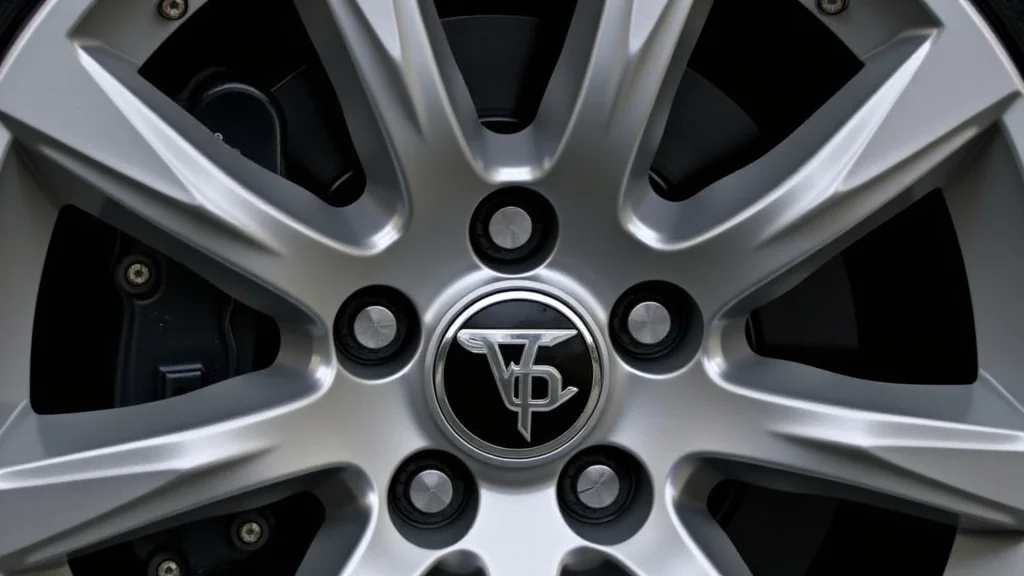
Picture this: you’re cruising down the street, and your wheels, the unsung heroes of your car, are looking a bit… tired. Maybe they’ve seen better days, with scratches or faded paint. You’ve thought about a fresh look, but then the question pops up: how much does it cost to powder coat wheels? It’s a valid question, and the answer isn’t always straightforward. This guide will walk you through everything you need to know, helping you make an informed decision and ensuring you get the best value for your money. You’ll gain a solid grasp of the costs involved, the factors that influence those costs, and what to expect from the process, improving your knowledge and assisting you in the decision making process.
The Basics of Powder Coating Wheels
Powder coating is a super durable and attractive way to give your wheels a makeover. It’s a dry finishing process where a powder, made of fine particles of pigment and resin, is applied to the wheel. The wheel is then heated, which causes the powder to melt and form a hard, protective coating. This coating is more resistant to chips, scratches, and fading compared to traditional paint. It’s a popular choice for cars, trucks, and even motorcycles because it provides a long-lasting finish that can handle the wear and tear of daily driving. The process can also enhance the appearance of your wheels, giving them a sleek and modern look.
What Makes Powder Coating Better?
Compared to other methods, powder coating offers several advantages. The main difference lies in the application and the final result. Traditional paint uses a liquid solvent-based application, while powder coating uses a dry powder. This difference leads to a more uniform and durable finish. Powder coating also produces less waste, as any unused powder can often be reclaimed and reused. This makes it an environmentally friendly option. Also, powder coating comes in a vast range of colors and finishes, allowing you to personalize your wheels to match your style.
- Durability: Powder coats are exceptionally tough, meaning they resist scratches, chips, and fading better than traditional paint. This durability is a significant advantage, especially for wheels that are constantly exposed to road debris and the elements.
- Environmental Friendliness: The powder coating process produces fewer harmful emissions and less waste compared to liquid paint. This makes it a more eco-friendly option for those concerned about their environmental footprint.
- Appearance: Powder coating offers a wide array of finishes, from glossy to matte, and a vast spectrum of colors. This allows for a truly customized look that can completely transform the appearance of your wheels and your vehicle.
- Resistance to Chemicals: The coating is resistant to many chemicals, including those found in car washes, brake fluids, and road salts. This protection helps to preserve the appearance and integrity of the wheels over time.
The Powder Coating Process Explained
The process of powder coating wheels involves several steps, each crucial to achieving a high-quality finish. First, the wheels are thoroughly cleaned to remove any dirt, grease, or old paint. Next, they are often sandblasted to create a surface that the powder can adhere to. The powder is then applied using a special spray gun that gives the powder an electrostatic charge, helping it stick to the metal. Finally, the wheels are baked in an oven at a specific temperature, which melts the powder and allows it to cure, forming a strong bond and a smooth, even finish. The baking stage is critical, as it ensures the coating is fully cured and achieves its maximum durability.
- Wheel Preparation: This step involves cleaning the wheels to remove all traces of dirt, grease, and old paint. This might involve stripping the old finish using chemicals or media blasting. The goal is to create a perfectly clean surface for the powder coat to adhere to.
- Powder Application: Using a specialized spray gun, the powder is applied to the wheels. The gun gives the powder an electrostatic charge, which helps it stick to the wheel’s surface. The technician applies an even layer of powder, making sure every area is coated.
- Curing (Baking): The wheels are placed in a curing oven, where the powder melts and bonds to the metal. The temperature and duration of the baking process depend on the type of powder used and the specifications provided by the powder manufacturer.
- Cooling and Inspection: After baking, the wheels are allowed to cool completely. The final step is a thorough inspection to ensure the finish is even, free of defects, and meets the desired aesthetic standards.
Factors Influencing the Cost of Powder Coating
Several factors will impact how much does it cost to powder coat wheels. The size of your wheels, the complexity of the design, the type of powder coat you choose, and the shop you select all play a role in the final price. Knowing these factors can help you understand why prices may vary between different shops or for different types of wheels. It’s also important to factor in the labor costs, which can vary depending on the experience and location of the shop. These factors combine to give you the final price for your project.
Wheel Size and Design Complexity
The size and complexity of your wheels are directly related to the amount of work and material needed, thus impacting the cost. Larger wheels require more powder and take longer to prepare and coat. Wheels with intricate designs, such as those with many spokes or detailed patterns, can also increase the cost, as they require more time and precision to coat completely. Simple designs are often less costly because they are quicker to complete. For instance, a basic, flat-faced wheel will cost less to coat than a multi-spoke wheel with recessed areas.
- Wheel Diameter: Larger diameter wheels need more powder and often require more time to prepare and coat, increasing the cost.
- Spoke Count: Wheels with more spokes are more time-consuming to coat because each spoke must be thoroughly covered.
- Surface Details: Intricate designs or recessed areas add complexity, potentially increasing the labor time and cost.
- Special Finishes: Custom finishes, such as chrome-like or textured coatings, require additional processes and materials, adding to the expense.
Powder Coat Types and Finishes
The type of powder coat you select plays a role in the total price. Different powder coats offer varying levels of durability, color options, and finishes. Basic powder coats are the most economical, while specialty finishes, like metallic, candy, or translucent, usually cost more because of the special materials and processes involved. The finish, whether it’s matte, satin, or gloss, can also impact the price. High-gloss finishes often require extra steps to ensure a smooth, reflective surface.
- Standard Powder Coats: These offer a wide range of solid colors and provide good durability at a reasonable price.
- Metallic Finishes: These contain metallic flakes that create a shimmering effect, enhancing the visual appeal.
- Candy Coats: These are transparent layers of color over a metallic base coat, creating a deep, vibrant look.
- Textured Finishes: These offer a rough surface that can hide imperfections and add a unique look to the wheels.
Shop Location and Labor Costs
The location of the powder coating shop and its labor rates can significantly influence the final cost. Shops in areas with higher costs of living usually have higher overhead costs, which they will pass on to the customer. Also, the experience and reputation of the shop will impact the price. Highly experienced shops that offer a top-notch finish often charge more than those with less experience. It’s important to research different shops in your area and get quotes to compare the prices and the value.
- Geographical Area: Shops in areas with higher operating costs (like large cities) may charge more.
- Shop Reputation: Reputable shops with a proven track record may charge a premium for their services.
- Experience of Technicians: Experienced technicians often provide better quality work, but their services may be more costly.
- Turnaround Time: Rush jobs might incur extra fees, while slower turnaround times might offer cost savings.
Estimating the Cost: A Detailed Breakdown
Breaking down the costs will help you understand where your money is going and what to expect. While prices can vary, having an idea of the cost breakdown will help you plan your budget. It’s a good idea to get quotes from multiple shops to compare pricing and services. Remember, the cheapest option may not always be the best; consider the quality of the finish and the shop’s reputation. Also, consider any additional costs, such as the cost of removing and re-mounting your tires if that service isn’t included in the powder coating package.
Cost Range for Powder Coating Wheels
The price for powder coating wheels can vary quite a bit, depending on the factors discussed above. Generally, you can expect to pay anywhere from $75 to $200 or more per wheel. This range takes into account the different sizes, designs, and types of finishes. Smaller, simpler wheels will likely be on the lower end of the spectrum, while larger wheels with complex designs or specialty finishes will be toward the higher end. Always ask for a detailed quote that specifies all the costs involved.
| Factor | Average Cost per Wheel (USD) |
|---|---|
| Small Wheels (14-16 inch) | $75 – $125 |
| Medium Wheels (17-19 inch) | $100 – $175 |
| Large Wheels (20 inch +) | $150 – $200+ |
| Specialty Finishes (Per Wheel) | $50 – $100+ |
These are just average costs, and the actual price can vary. Always get a specific quote from a shop based on your wheel’s specs and the finish you want.
Additional Costs to Consider
Beyond the direct powder coating service, there are other potential costs to think about. If the shop is removing and reinstalling your tires, that will usually be an extra charge. If your wheels need any repairs before coating, such as fixing curb rash or dents, those services will also add to the bill. Consider the cost of transportation, as well, whether you are dropping off your wheels or paying for shipping. It is also good to ask if the shop will remove your old wheel weights and install new ones.
- Tire Removal and Installation: This service, if not included, can add $20-$50 per wheel.
- Wheel Repair: Any repair work, such as fixing curb rash or dents, can cost extra depending on the extent of the damage.
- Shipping: If you’re not local, factor in shipping costs to and from the powder coating shop.
- Wheel Weights: Replacing the wheel weights after coating is typically required for proper balance, with costs varying.
Getting a Quote: What to Ask
When getting a quote, it’s key to make sure you’re comparing apples to apples. Make sure the quote includes all the services you need, such as wheel preparation and tire services. Ask about the type of powder coat being used and the expected turnaround time. Find out if the shop has any additional fees. Getting a detailed quote will prevent any surprises when it’s time to pay. Requesting photos or examples of their previous work is a good way to assess the quality of their work. A reliable shop will happily provide all the information.
- What’s Included: Get a detailed breakdown of services, including wheel preparation, powder coating, and tire services.
- Type of Powder Coat: Clarify the type of powder and the brand being used, ensuring it meets your desired finish and durability requirements.
- Turnaround Time: Inquire about the estimated completion time.
- Warranty: Ask about any warranties on the powder coating job.
- Additional Fees: Ensure the quote covers all costs and inquire about any extra charges for labor or services.
Choosing the Right Shop: Tips and Tricks
Picking the right shop is as important as understanding how much does it cost to powder coat wheels. Researching shops in your area will help you find a reputable and reliable provider. Look at reviews, ask for references, and view their previous work. When visiting the shop, check their equipment and the cleanliness of the facility. A professional shop should have a dedicated area for wheel preparation, powder application, and curing. This will help ensure the quality of the job. Also, see if the shop is knowledgeable and helpful, so you are comfortable with the team.
Researching Local Shops
Begin by doing some online research. Look for powder coating shops near you and check out their websites and online reviews. Websites like Yelp and Google Reviews can provide valuable insights into the experiences of other customers. Pay attention to the types of projects they have completed, and look for feedback on the shop’s customer service, quality of work, and turnaround time. This will help narrow your options. Also, check out social media pages, such as Facebook or Instagram, to view their past jobs.
Evaluating the Quality of Work
When evaluating a shop, look at the quality of their previous work. Many shops will have photos or videos of previous projects on their websites or social media pages. Ask to see examples of their work in person. Pay attention to the evenness of the coating, the absence of imperfections, and the overall finish. If possible, speak to past customers. Inquire about the shop’s attention to detail, such as masking areas and prepping the wheels. A high-quality powder coating job should be smooth, consistent, and durable.
Questions to Ask a Potential Shop
Before committing to a shop, ask some key questions. Ask about their experience with powder coating wheels, what types of finishes they offer, and what prep work is included. Inquire about their warranty policy and what it covers. Find out about the expected turnaround time and how they handle any potential issues during the process. Getting detailed answers will assist you in selecting a shop. Check to see if they are happy to share references, and if they will provide a written, itemized quote.
- Experience: How long has the shop been powder coating wheels, and what kind of experience do they have?
- Preparation Process: What steps do they take to prepare the wheels before coating?
- Powder Coat Options: What types of finishes do they offer, and what brands of powder do they use?
- Warranty: Do they provide a warranty, and what does it cover?
- Turnaround Time: What is the estimated time to complete the job?
Frequently Asked Questions
Question: How long does it take to powder coat wheels?
Answer: The turnaround time can vary, but generally, it takes 2-7 days, depending on the shop’s workload and the complexity of the job.
Question: Can you powder coat wheels with tires on?
Answer: No, the tires must be removed before powder coating to ensure the entire wheel is coated and to prevent damage to the tires. This service is typically provided by the shop, at an extra cost.
Question: Are there any color options for powder coating wheels?
Answer: Yes, there is a wide range of colors and finishes available, including solid colors, metallics, candies, and textured options. Many shops offer custom color matching services.
Question: How durable is powder coating on wheels?
Answer: Powder coating is very durable and resistant to chips, scratches, fading, and chemicals, providing long-lasting protection for your wheels.
Question: What’s the best way to clean powder-coated wheels?
Answer: Regular washing with soap and water is typically sufficient. Avoid harsh chemicals or abrasive cleaners that could damage the finish. A soft brush or sponge is recommended.
Final Thoughts
Deciding how much does it cost to powder coat wheels is a key step in personalizing your vehicle and maintaining its value. By understanding the factors that influence the cost, from wheel size and design complexity to the type of finish and shop location, you can be better prepared. Remember that the price of powder coating can range considerably, but investing in a quality job offers a durable, attractive, and long-lasting finish that enhances the appearance of your car. Take the time to research shops, get quotes, and ask plenty of questions to ensure you get the best value for your money. With the right choice, you will transform the look of your wheels, providing a new layer of style to your vehicle.

