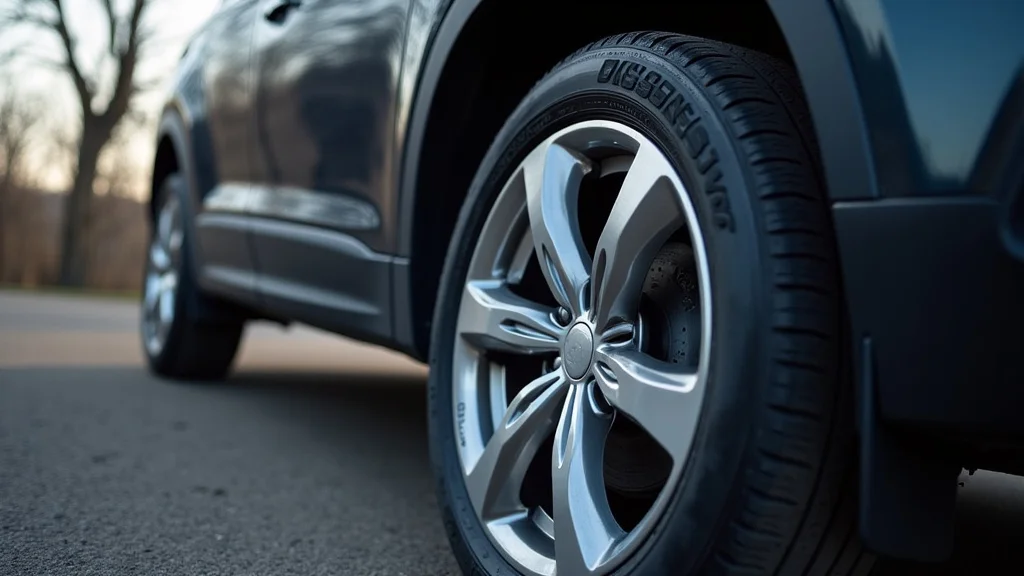
Remember that time your car started pulling to one side, and you thought, “Oh no, what’s wrong now?” Often, it’s something simple like uneven tire wear. One of the most important things you can do to keep your vehicle running smoothly and safely is to know how many miles to rotate tires. This guide will walk you through everything you need to know, from the ideal mileage intervals to the benefits of regular rotation and the types of rotation patterns. You’ll learn how to extend the life of your tires, improve your car’s performance, and save money in the long run. By the end, you’ll be well-equipped to keep your tires in tip-top shape, improving your driving experience, and getting a better return on your investment in tires!
The Importance of Regular Tire Rotation
Tire rotation is a key part of vehicle maintenance, but why is it so important? Think of it like this: your tires are the shoes of your car. They take a beating every time you drive, whether you’re cruising on the highway or navigating city streets. Different tires on your vehicle wear differently due to the position they occupy and the work they do. Front tires, for example, often experience more wear because they handle steering and braking. Rear tires may experience less wear. Rotating your tires helps distribute this wear more evenly, which prolongs their lifespan. This will lead to cost savings because you will not have to replace your tires as often.
Uneven Wear: The Enemy of Tire Longevity
Uneven tire wear isn’t just an aesthetic issue; it can significantly shorten the life of your tires. When one or more tires wear out faster than the others, it reduces your car’s handling and safety. Imagine trying to run a race with one shoe worn thin – you wouldn’t be as fast or stable. Similarly, uneven wear can impact your car’s braking, steering, and overall grip on the road. This can lead to decreased fuel efficiency, as the tires struggle to maintain optimal contact with the road. Regular rotation helps to counter these effects and keep your tires performing at their best for longer.
-
Front-Wheel Drive (FWD) Vehicles: FWD vehicles tend to wear the front tires more quickly because these tires handle steering and provide the power.
When you drive, your front tires are subjected to the constant strain of acceleration, deceleration, and turning. The front tires bear the brunt of these forces, causing them to wear down more quickly. -
Rear-Wheel Drive (RWD) Vehicles: RWD vehicles often experience more wear on the rear tires, particularly during acceleration.
The rear tires on RWD vehicles primarily provide the driving force. As you accelerate, the rear tires are responsible for propelling the vehicle forward. The greater the acceleration, the more they will wear. -
All-Wheel Drive (AWD) Vehicles: AWD vehicles distribute power to all four wheels, so wear patterns can be more complex and usually more even.
The distribution of power among all four wheels can vary depending on the specific AWD system and driving conditions. As a result, AWD vehicles can experience a more even distribution of wear, but regular rotation is still essential to ensure optimal tire life. -
Impact on Handling and Safety: Uneven tire wear can also impact your vehicle’s handling and safety. Tires with significantly different tread depths can reduce braking efficiency, especially in wet or slippery conditions. Additionally, uneven wear can cause your car to pull to one side, making steering more difficult.
If the tire wear is uneven, this may make it harder for you to control your car during emergency maneuvers, increasing your risk of an accident.
The Benefits of Tire Rotation
Rotating your tires provides many benefits. Beyond extending the life of your tires, it also improves your driving experience and overall vehicle safety. Regular rotation leads to a smoother ride and helps maintain the car’s handling performance. By ensuring that all tires wear at a more similar rate, you can prevent the vehicle from pulling to one side and improve braking. This practice can also help you save money over time by reducing the frequency of tire replacements. Rotating your tires is a smart, proactive step in vehicle maintenance, enhancing your driving experience and offering long-term economic advantages.
Did you know that regular tire rotation can extend the lifespan of your tires by up to 20%? That can save you a significant amount of money in the long run. In addition, rotating your tires can reduce the risk of tire failure due to uneven wear, providing a safer driving experience. It’s a win-win situation – improved safety and cost savings!
How Many Miles to Rotate Tires? Determining the Ideal Interval
The standard recommendation for how many miles to rotate tires is generally between 5,000 and 7,500 miles. However, this is just a general guideline, and the specific interval can vary depending on several factors, including your vehicle’s make and model, your driving habits, and the type of tires you have. Always check your owner’s manual for specific recommendations from the vehicle manufacturer. Ignoring these recommendations can lead to accelerated tire wear, decreased fuel efficiency, and a reduction in vehicle handling and safety.
Factors Influencing Rotation Frequency
Several factors can influence the ideal mileage for rotating your tires. These elements should be considered when deciding on the best rotation schedule for your vehicle. Understanding these factors will help you make a more informed decision and maximize your tire life and vehicle performance. Remember, no single method of driving or vehicle type can accurately determine the exact rate of wear.
-
Vehicle Type: Front-wheel drive, rear-wheel drive, and all-wheel drive vehicles have different wear patterns. FWD cars often wear out the front tires faster, while RWD vehicles may wear out the rear tires more quickly. AWD vehicles tend to distribute wear more evenly, but rotation is still important.
Vehicles with different drive systems will influence how you rotate your tires. Be sure to understand your vehicle’s drive type before scheduling your rotation. -
Driving Habits: Aggressive driving, such as rapid acceleration, hard braking, and sharp cornering, can increase tire wear. If you frequently drive in these conditions, you may need to rotate your tires more often than the standard recommendation.
If you tend to drive aggressively, this will affect how frequently you should rotate your tires. You will need to rotate more often than those with more conservative driving habits. -
Tire Type: Different tire types, such as all-season, performance, and winter tires, have varying tread compounds and designs. Performance tires, for example, may wear faster due to their softer rubber compounds.
The type of tire you own is another important factor when deciding the rotation frequency. Softer tires will wear out faster, meaning you should schedule more frequent rotations. -
Road Conditions: Driving on rough or poorly maintained roads can accelerate tire wear. If you frequently drive on gravel roads or in areas with potholes, you may need to rotate your tires more often.
If you spend time on unpaved roads, you’ll need to schedule more frequent rotations. This ensures that all of your tires wear evenly. -
Owner’s Manual: Always consult your vehicle’s owner’s manual for the manufacturer’s recommended tire rotation schedule. These recommendations are specific to your vehicle and tire type and are based on extensive testing.
Your owner’s manual is a great resource. You will find specific recommendations for your car, so consult it before making any decisions.
The Importance of Consistent Rotation
Consistency is key when it comes to tire rotation. Stick to a regular schedule, even if you don’t notice any obvious signs of uneven wear. This helps ensure that your tires wear evenly and prevents potential problems down the road. It’s better to be proactive and rotate your tires regularly than to wait until significant wear occurs. This will maximize your tire life and provide a safer and more enjoyable driving experience.
By rotating your tires consistently, you also give your mechanic an opportunity to inspect your tires for any potential problems, such as cuts, bulges, or punctures. Catching these issues early can prevent more significant damage and keep you safe on the road. The benefits of routine rotations extend far beyond just extending tire life; they’re also a practical way to ensure safety.
Different Tire Rotation Patterns
There are several tire rotation patterns used by mechanics. The correct pattern depends on the type of vehicle you have. Following the correct pattern will help ensure that all tires wear evenly. Knowing these patterns will enable you to rotate your tires effectively, maximizing tire life and promoting even wear.
Rotation Patterns for Front-Wheel Drive (FWD) Vehicles
Front-wheel drive vehicles typically require a specific tire rotation pattern because the front tires handle both steering and providing the vehicle’s power. By rotating the tires in the right way, you can ensure that each tire experiences a balanced amount of wear. This approach is key to keeping all four tires at optimal performance for a longer time.
-
Forward Cross: In this pattern, the front tires move straight back to the rear on the same side. The rear tires move diagonally forward to the opposite front positions.
This is a typical pattern for FWD vehicles, and is a simple and effective method. It equalizes wear by positioning the tires in different areas of the car. -
Alternative Pattern: This pattern involves moving the front tires to the rear on the same side, and moving the rear tires to the front. There is no crossover in this pattern.
This is also a simple method that can be effective for even wear. If you do not want to cross tires, this is a solid choice.
Rotation Patterns for Rear-Wheel Drive (RWD) Vehicles
Rear-wheel drive vehicles, which put the engine’s power on the back tires, also require a specific tire rotation pattern. The rear tires often wear out faster. Understanding these patterns will ensure that each tire receives a balanced amount of work. This approach extends the life of your tires while promoting vehicle stability.
-
Backward Cross: In this pattern, the rear tires move straight forward to the front on the same side. The front tires move diagonally back to the opposite rear positions.
This pattern is designed to account for the additional wear on the rear tires. This keeps the tires in alignment and can save you money by lengthening their lifespan. -
Alternative Pattern: This pattern moves the front tires to the rear on the same side. The rear tires move to the front on the same side. There is no crossover.
This is a straightforward approach that does not involve crossing tires. It is a good option if you want to avoid crossing.
Rotation Patterns for All-Wheel Drive (AWD) Vehicles
All-wheel drive vehicles provide power to all four wheels, so their tire rotation patterns are usually designed to promote even wear. Because the power is distributed across all wheels, a consistent rotation approach is important. This ensures a balanced wear pattern and extends tire life. Regular rotation is even more important for AWD vehicles.
-
X-Pattern: This pattern involves moving the front tires diagonally to the rear on the opposite sides. The rear tires move diagonally forward to the front on the opposite sides.
This is a traditional pattern for AWD vehicles and it ensures even wear across all four tires. -
Forward Cross with Spare: This pattern involves using your spare tire. The front tires move straight back to the rear on the same side, the rear tires move diagonally forward to the opposite front positions, and the spare tire takes the place of the front tire.
This pattern can be useful if your spare tire is the same size and type as your regular tires. This ensures an even wear pattern. -
Five-Tire Rotation: This rotation involves all four tires plus the spare tire. Use the same patterns as the Four-Tire Rotation, but include the spare tire each time.
This pattern is a good way to use your spare tire. When using this pattern, you rotate the spare tire into the pattern.
The Importance of Following the Correct Pattern
Using the correct tire rotation pattern is essential for maximizing tire life and maintaining vehicle performance. Following the right pattern ensures that each tire wears evenly, which helps to extend the lifespan of your tires and maintain vehicle stability and handling. Using the wrong pattern can lead to uneven wear. This, in turn, may result in reduced tire life, compromised handling, and safety issues. Always choose the correct pattern based on your vehicle’s drive type to get the best results.
If you’re unsure about the right pattern for your vehicle, consult your owner’s manual or a qualified mechanic. They can provide specific guidance based on your vehicle’s make and model. The right rotation pattern, combined with proper tire care, is the key to getting the most out of your tires.
When to Rotate Tires: Practical Considerations
Besides knowing how many miles to rotate tires, it’s also important to consider when to rotate them. Besides the recommended mileage intervals, other factors can indicate when it’s time for a rotation. Regular monitoring and awareness of your tires can help you determine the optimal time to rotate them. Timely rotations contribute to the overall health and safety of your tires.
Signs of Uneven Tire Wear
Identifying the signs of uneven tire wear can help you determine when to rotate your tires. Be on the lookout for visible wear patterns, such as the outer edges of the tires wearing faster than the center, or vice versa. Uneven wear can also manifest as cupping or scalloping on the tire tread. Monitoring for these signs helps you catch wear early and schedule rotations as needed, to maximize your tire life and promote vehicle safety.
-
Tread Depth Variations: Measure the tread depth across the tire’s surface. Uneven tread depth, where some areas are significantly worn, indicates a need for rotation.
If you see significant differences in tread depth across the tire, this is a clear sign that you need to schedule a rotation soon. This will help maintain handling and grip. -
Edge Wear: Examine the edges of your tires for wear. If the outer edges are wearing faster than the center, it may be time for rotation.
If you often drive on curved roads or drive aggressively, you might notice wear on the tire edges. Rotation will help even out the wear and extend the tire’s life. -
Cupping or Scalloping: Feel the tire tread for any cupping or scalloping. This uneven wear pattern is often caused by suspension issues or alignment problems.
Cupping or scalloping on the tire tread is a sign that something is wrong. Rotating the tires can help even out the wear. -
Pulling to One Side: If your vehicle pulls to one side while driving, it could be a sign of uneven tire wear. This can also indicate alignment issues, so have both checked.
If your car pulls to the left or right, it’s a sign that your tires may be wearing unevenly. Rotating your tires could solve the problem.
Seasonal Considerations
Seasonal changes can also impact when you should rotate your tires. Switching between summer and winter tires, or when you notice changes in your driving conditions, may affect the optimal time for rotation. Adapting your rotation schedule to seasonal factors helps ensure that your tires provide the best performance and safety for current conditions.
-
Summer to Winter Tire Change: If you use separate sets of tires for summer and winter, always rotate the tires before changing the sets. This helps ensure that the tires wear evenly before storage.
If you switch between seasonal tires, schedule a rotation each time you switch tires. This can help with their wear patterns. -
Increased Mileage During Specific Seasons: If you drive more during a particular season, such as the summer, you may need to rotate your tires more frequently. Monitor your mileage and adjust your schedule.
When you drive more, you should rotate your tires more frequently. This helps extend the life of your tires. -
Road Conditions: Be mindful of changing road conditions. If you’re driving on rough roads or encounter potholes, consider rotating your tires more often.
If you encounter rough roads, consider rotating your tires more often. Rough roads can increase tire wear.
Frequently Asked Questions
Question: How often should I rotate my tires?
Answer: The standard recommendation is to rotate your tires every 5,000 to 7,500 miles, but this can vary depending on your vehicle and driving habits. Always consult your owner’s manual for specific guidelines.
Question: What’s the best tire rotation pattern for my car?
Answer: The correct pattern depends on your car’s drive type (FWD, RWD, or AWD). Refer to your owner’s manual or ask a mechanic to determine the appropriate pattern for your vehicle.
Question: Can I rotate my tires myself?
Answer: Yes, you can rotate your tires yourself if you have the proper tools and are comfortable doing so. However, if you are not experienced, it’s best to have a professional do it.
Question: What are the benefits of rotating my tires?
Answer: Rotating your tires extends their lifespan, improves vehicle handling and safety, and promotes even wear. It also helps you save money by preventing premature tire replacement.
Question: What if I don’t rotate my tires?
Answer: If you don’t rotate your tires, they will wear unevenly. This can lead to decreased handling, reduced fuel efficiency, and a shorter tire lifespan. It can also cause safety issues.
Final Thoughts
Knowing how many miles to rotate tires is a crucial aspect of responsible vehicle care. The recommended mileage for rotation typically falls between 5,000 and 7,500 miles, but this can vary. Understanding your vehicle’s drive type, your driving habits, and the type of tires you have will help you determine the most effective schedule. Regular rotation, combined with following the correct patterns, helps extend tire life, improve handling, and enhance safety. Remember to also consider seasonal factors and watch for any signs of uneven wear. By adopting a proactive approach to tire maintenance, you’ll ensure that your vehicle performs at its best. Taking care of your tires is an easy way to drive safer and save money. So, take the time to learn your car’s specific needs, create a consistent schedule, and enjoy the benefits of a smooth and safe ride!

