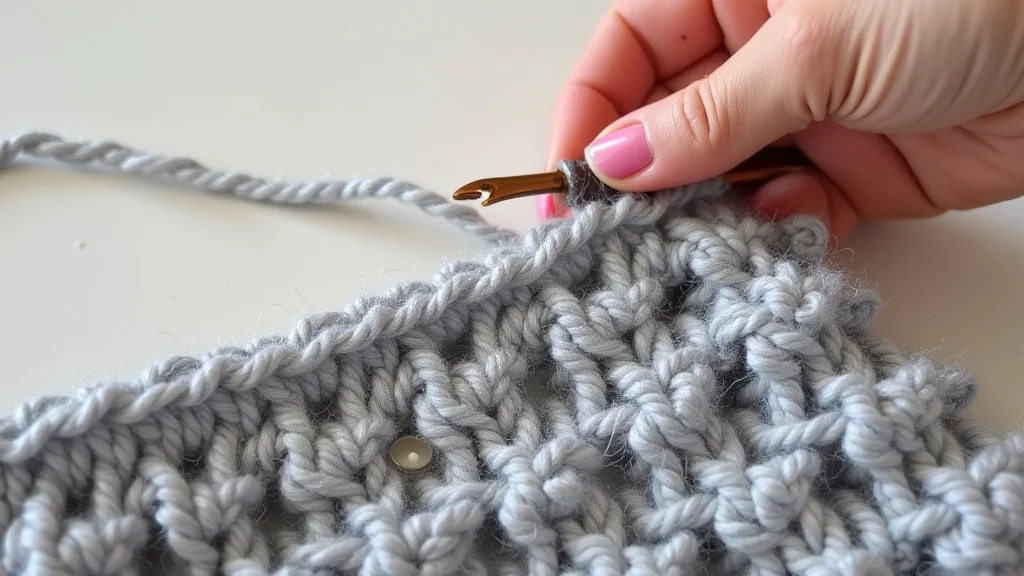
Do you ever look at crochet projects and just marvel at the textures? I do! I remember seeing a sweater with these amazing little bumps all over it, and thinking it looked so advanced. Turns out, it was just the bobble stitch! This seemingly complex stitch is actually quite simple to learn. By the end of this article, you will be able to easily learn how to do a bobble stitch in crochet, and you’ll be ready to add some fantastic texture to your own creations. You’ll also find out what tools you’ll need, tips for avoiding common mistakes, and how to use the bobble stitch in different patterns. Let’s get started!
What is the Bobble Stitch in Crochet?
The bobble stitch is a textured crochet stitch that creates a three-dimensional, raised bump on your fabric. It’s often used to add visual interest, and a unique tactile quality to projects like blankets, hats, and scarves. It’s constructed by working multiple incomplete double crochet stitches into the same stitch, then drawing through all the loops on your hook at once to close the stitch. This process creates a small, rounded “bobble” that stands out from the rest of the fabric. The bobble stitch differs from the puff stitch, which is another textured crochet stitch, by how the stitch is finished. The puff stitch often has a more rounded appearance and uses more loops on the hook before closing, giving it a fluffier appearance, while the bobble stitch is more defined and stands out prominently.
Breaking Down the Double Crochet Stitch
The bobble stitch builds upon the double crochet stitch (dc). Therefore, before attempting the bobble stitch, it’s important to understand the double crochet. The double crochet is one of the basic crochet stitches, known for its height and versatility. It creates a taller stitch than the single crochet, adding to the fabric’s thickness and texture. It is a fundamental skill that provides the foundation for many more complex crochet patterns.
Here’s how to do a double crochet:
- Yarn over: Wrap the yarn around your hook, from back to front.
- Insert hook: Insert your hook into the designated stitch (or the next stitch, depending on your pattern).
- Yarn over and pull up a loop: Wrap the yarn around the hook again and pull it through the stitch. You should now have three loops on your hook.
- Yarn over and pull through two loops: Wrap the yarn around your hook and draw it through the first two loops on your hook. You’ll have two loops remaining.
- Yarn over and pull through the remaining two loops: Wrap the yarn around your hook and pull it through the final two loops. You’ve now completed one double crochet stitch.
Practicing the double crochet will prepare you for the bobble stitch, ensuring a smoother learning curve.
Tools Needed to Crochet
Before you begin, you will need a few essential items. Gathering these supplies beforehand will help you stay focused on learning the bobble stitch without interruption.
- Yarn: Choose any yarn you enjoy, but lighter colors can help you see your stitches more clearly when you are starting out. Try a smooth yarn to prevent catching your hook.
- Crochet Hook: Select a hook size recommended on your yarn label. It’s important to match the hook to your yarn weight.
- Scissors: For cutting the yarn.
- Yarn Needle: Also called a tapestry needle, for weaving in the ends.
- Stitch Markers (Optional): Useful for marking the beginning or end of rows, or to keep track of the bobble stitch placements in your pattern.
Make sure you choose yarn and hook sizes that complement each other. For beginners, it’s often easiest to start with a medium-weight yarn and a corresponding hook size (like a size H/8 or 5 mm hook).
How to Crochet the Bobble Stitch Step by Step
Now, let’s get down to the most important part, the instructions. These steps will show you exactly how to do a bobble stitch, with a focus on clarity and simplicity. Practice these steps repeatedly for mastery.
Step-by-Step Instructions
Now it is time to learn how to do a bobble stitch in crochet! Remember to practice these steps several times to become comfortable with the process. The main trick is to ensure you have the correct number of loops on your hook at each stage and to pull through all the loops at once to create the bobble.
- Yarn Over and Insert: Yarn over (wrap the yarn around your hook). Insert your hook into the designated stitch of your work.
- Yarn Over and Pull Up a Loop: Yarn over again, and pull up a loop through the stitch. You should now have three loops on your hook.
- Yarn Over and Draw Through Two Loops: Yarn over and draw through two loops on the hook, leaving two loops on the hook. You have now completed the first incomplete double crochet.
- Repeat Incomplete Double Crochet: Repeat steps 1-3, working the same stitch. This means yarn over, insert the hook into the same stitch, yarn over, pull up a loop, yarn over, and pull through two loops. You will now have three loops on the hook. Repeat this sequence until you have the required number of incomplete double crochets, which is usually 4 to 5, depending on the pattern.
- Yarn Over and Draw Through All Loops: Yarn over and draw the yarn through all the loops on your hook. This step closes the bobble, creating the three-dimensional bump.
- Chain 1 (Optional): Chain one to secure the bobble and create a bit more definition. This stitch is often done after the bobble to help define its shape, but is not always necessary, depending on the pattern.
Remember, the number of incomplete double crochets you create for each bobble will dictate its size and the overall texture. Most patterns will specify how many incomplete double crochets to work.
Tips for Perfect Bobbles
Perfecting the bobble stitch takes a little practice. These tips can help you achieve the best results.
- Maintain Consistent Tension: Keep your tension consistent throughout the bobble and the rest of your project. Uneven tension can cause the bobbles to look lopsided or irregular.
- Count Your Loops: Make sure you have the correct number of loops on your hook before drawing through them all. This helps ensure that your bobbles are uniform in size.
- Work Loosely: Work your incomplete double crochets a little loosely, especially the last one. This will make it easier to draw your yarn through all the loops at the end.
- Use a Hook One Size Larger (Optional): If you find it hard to pull the yarn through all the loops, consider using a hook one size larger specifically for the bobble stitches. This can give you more room to work.
- Blocking: Blocking your finished project can help to even out the stitches and make the bobbles pop.
Take it slow, be patient, and don’t be afraid to unravel and start again if needed. Remember, the more you practice, the easier it becomes.
Variations and Patterns with the Bobble Stitch
The bobble stitch is a versatile stitch, and can be used in numerous ways. You can arrange the bobbles in rows, create textured patterns, or use them as a decorative element. Here’s a look at how you can explore this stitch and incorporate it into your creations.
Bobble Stitch Patterns and Designs
Once you’ve mastered the basic bobble stitch, you can use it in a wide variety of crochet patterns. These are some ideas to spark your creativity:
- Blankets: The bobble stitch is a fantastic choice for blankets, providing warmth and a pleasing texture. You can create rows of bobbles, or design a more complex pattern.
- Hats: Bobble stitch hats are cozy and stylish. The bobbles add a fun visual detail to an otherwise simple accessory.
- Scarves: Add some flair to your scarves with bobble stitches. The texture will stand out and add visual interest.
- Baby Items: Bobbles are great for baby items. Think of bobble stitch baby blankets, booties, or even a soft toy.
- Sweaters and Cardigans: The bobble stitch can add a touch of whimsy or elegance to your garments.
The possibilities are endless, and you can find lots of free and paid patterns online.
Arranging Bobbles in Your Project
The way you arrange your bobbles can completely change the look of your project. Here are a few ways to organize the bobble stitch.
- Rows: The most straightforward arrangement is to work the bobbles in horizontal rows, either evenly spaced or with a staggered pattern.
- Columns: You can create vertical columns of bobbles.
- Diagonal: Experiment by placing bobbles on a diagonal.
- Random: Use the bobbles in a random manner for a more playful and organic look.
- Geometric Patterns: Arrange bobbles to form shapes like diamonds, triangles, or other geometric designs.
The placement of your bobbles can also be influenced by the other stitches in your pattern. For example, bobbles can be placed on top of other stitches, or within gaps and spaces to create a 3D effect. The layout can be made to look neat or random.
Troubleshooting Common Bobble Stitch Problems
Even experienced crocheters can run into issues with the bobble stitch. Knowing how to solve common problems can save you time and frustration.
Fixing Errors in Your Work
Sometimes you might notice that the bobbles aren’t quite right. Here’s what to do when things go wrong:
- Bobbles too tight: This is a common issue. If your bobbles are tight and difficult to work, try using a slightly larger hook, or working the incomplete double crochets a little more loosely.
- Bobbles not popping: Make sure you have enough yarn in each bobble. Also, consider the yarn. Certain yarns, like those with high sheen or with a loose twist, may not show the bobble as well as others.
- Uneven bobbles: This might be caused by inconsistent tension or by making the bobbles with the wrong number of loops. Try to keep your tension consistent.
- Lost count: Always double check that you have the required number of incomplete double crochet stitches before drawing through all the loops.
Being able to recognize and resolve these issues will greatly improve your crocheting experience.
Frequently Asked Questions
Question: How many loops should I have on my hook before closing the bobble?
Answer: This depends on the pattern, but typically, you’ll have between 4 to 5 loops on your hook before drawing through all of them to close the bobble. Some patterns may call for more or fewer, so always follow the specific instructions.
Question: My bobbles are small and flat. What am I doing wrong?
Answer: You may not be pulling the yarn through enough loops to create a large enough bobble. Ensure you are following the pattern and making enough incomplete double crochets to achieve the desired effect. Also, check your yarn and hook size against the pattern’s recommendations.
Question: Can I use different types of yarn with the bobble stitch?
Answer: Yes, you can. However, the result may vary depending on the yarn. Smooth, solid-colored yarns often show the bobbles best. Textured or variegated yarns can create an interesting effect, but may make the bobbles less defined.
Question: Can I adjust the size of the bobble stitch?
Answer: Yes, you can. The size of the bobble is related to the number of incomplete double crochets you create. You can adjust the number of the double crochets in the bobble stitch to make larger or smaller bobbles.
Question: How do I read a crochet pattern that includes the bobble stitch?
Answer: Look for instructions that will explain how many incomplete double crochets to work into a single stitch for each bobble. The pattern will also specify the placement of bobbles. Common abbreviations for this stitch include “bob” or “bobble”.
Final Thoughts
Learning how to do a bobble stitch in crochet opens up a whole new world of creative possibilities. This guide walked you through the steps, helping you understand what it is, how to make it, and what to do with it. You’ve discovered the tools needed, the steps involved, and the different patterns to try. You also saw how to overcome common problems.
Now that you know the basics, practice, practice, practice! Experiment with different yarns, hook sizes, and bobble arrangements. Don’t be afraid to try new patterns and combinations. The more you work with the bobble stitch, the more comfortable and creative you’ll become. Your next step is to explore a new pattern and start creating something with those beautiful textured bumps! Happy crocheting!

