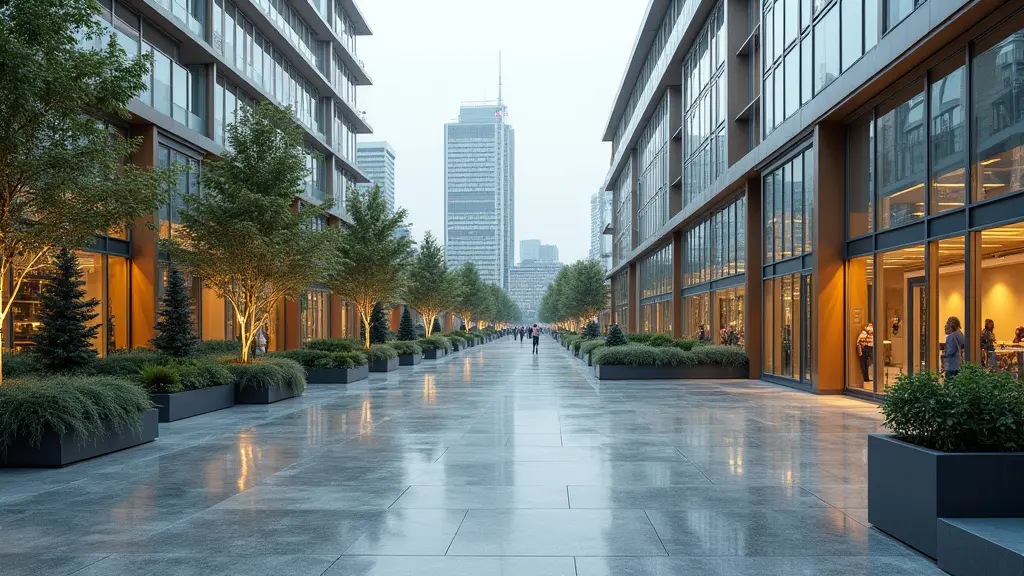
Remember that park bench that always seemed to be occupied, the one where you could never quite find a spot? Or maybe that bustling town square, alive with activity? That’s the power of good public spaces. They shape our experiences, foster community, and even boost our well-being. This guide will explore how to design public spaces that truly work for everyone, from conceptualizing the initial idea to considering the small details that make a place special. You’ll gain practical insights and learn the elements necessary for creating inviting and functional environments, making this information useful if you work with cities or if you are interested in creating functional areas.
Understanding the Basics of Public Space Design
The core concept of how to design public spaces revolves around creating accessible, inclusive, and functional areas. It is far more than just aesthetics; it’s about anticipating the needs of the users and making an environment that works for various groups and activities. You need to focus on aspects like accessibility for people with disabilities, and consider factors such as lighting, landscaping, and the flow of people and activities.
Key Considerations for Successful Public Spaces
-
Accessibility: Public spaces must be usable by everyone, regardless of physical abilities. This includes ramps, accessible restrooms, and clear pathways.
Accessibility means ensuring that everyone can use a public space. This means going beyond basic compliance with disability standards. For example, include tactile paving to assist visually impaired people, and ensure that the layout of the space isn’t crowded or difficult to navigate for people using wheelchairs or walkers. Design with universal design principles from the outset, aiming for spaces that meet the needs of a wide range of people without the need for adaptation or specialized design. Consider how things like the height of water fountains, the placement of benches, and the availability of accessible parking all play a role in making a space truly open to all.
-
Inclusivity: Public spaces should reflect and accommodate diverse communities. This means considering cultural sensitivities and offering various seating options, shade, and areas for different activities.
Inclusivity extends beyond physical accessibility to embrace cultural and social differences. Think about how the space could be used by different age groups, ethnicities, and socio-economic backgrounds. Are there areas for quiet reflection, active play, or social gatherings? Design with input from the community to get it right. Celebrate diversity through artwork, design elements, and programming that reflects the local population. Remember that a truly inclusive space is one where everyone feels welcome and at ease.
-
Functionality: The space should serve its intended purpose while also being adaptable to other uses. Think about the needs of people using the space and plan for their movements.
Functionality goes hand-in-hand with usability. Consider the core purpose of the space. Is it intended for recreation, relaxation, or community events? Consider the practical elements of the space, such as available seating, waste disposal facilities, and appropriate lighting. The space should be flexible enough to accommodate different types of activities and events. Consider how the space will be used at different times of the day, year, and season and make sure it has the necessary infrastructure to manage these changes.
The Importance of Context and Community in Design
Creating a good public space is not only about function, but it is also deeply rooted in the context of the area. This involves taking into account the local history, culture, and needs of the community. Involving residents in the planning process ensures that the spaces reflect the unique character of their surroundings. This approach fosters a sense of ownership and encourages community engagement, making the space more relevant and valued by the people who use it.
Assessing the Local Context
-
Research and Data Collection: Begin by researching the history, demographics, and cultural characteristics of the area.
The initial phase involves research to understand the local area. Review historical maps and documents to understand how the area has changed. Study local demographics by analyzing census data and community surveys to understand the people who live and work there. Learn about any historical events or cultural landmarks that could influence the design of the space. Consider the patterns of daily life by exploring traffic patterns, pedestrian flows, and the availability of local amenities like shops, cafes, and transportation options. Take notes on existing green spaces, recreational facilities, and public art, which can provide insights for your project.
-
Stakeholder Engagement: Engage with community members through surveys, focus groups, and public meetings.
Stakeholder engagement is essential to building spaces that feel relevant to the community. Reach out to local residents, business owners, and community organizations to understand their views, needs, and aspirations for the space. Design surveys that are easy to understand and use, offering both open-ended and multiple-choice questions. Organize focus groups, allowing people to discuss their ideas and share feedback in a more relaxed setting. Hold public meetings to share design proposals, give residents a chance to ask questions, and refine the project. This participatory process encourages cooperation and helps to make sure that the design reflects the community’s shared values and objectives.
-
Understanding the Site Conditions: Analyze the physical characteristics of the site, including topography, climate, and existing infrastructure.
Examining the physical characteristics of the site is very important for planning. Review the topography, which indicates slopes and elevations, and consider how this affects accessibility and drainage. Study local weather conditions, like sunshine, wind patterns, and precipitation, and integrate solutions, like shade structures, windbreaks, and efficient drainage systems. Assess existing infrastructure, including utilities, transportation links, and any environmental constraints. This investigation includes soil composition, existing vegetation, and potential environmental hazards. Careful assessment of the site conditions helps to make sure that the design is functional, safe, and sustainable, while responding to the natural conditions of the location.
Key Elements in Designing Functional Public Spaces
When considering how to design public spaces, keep in mind that functionality and aesthetics must work together. Effective layouts offer a welcoming environment that supports different activities. The following elements will help make a design a welcoming and successful public space.
Layout and Spatial Organization
-
Circulation Paths: Design clear and intuitive pathways for pedestrians, cyclists, and vehicles.
The design of circulation paths is fundamental to how people move within a space. Paths should be wide enough to accommodate the flow of people, and designed with materials that are durable and easy to navigate. Consider the placement of paths relative to key locations, like entrances, seating areas, and points of interest. Make sure there are clear sightlines to help people orient themselves and avoid obstacles. Separate pedestrian paths from bike lanes and roadways to help people feel safe. Provide adequate lighting, signage, and wayfinding to improve the visitor experience.
-
Activity Zones: Create designated zones for different activities, such as play areas, seating areas, and event spaces.
Divide the space into activity zones to offer a variety of experiences. Think about including spaces for play and recreation, with age-appropriate equipment. Incorporate gathering spaces, such as picnic areas or amphitheaters. Consider the potential for hosting community events, like farmers’ markets or concerts. Integrate areas for quiet reflection, such as gardens or reading nooks. Use landscaping, paving materials, and other design elements to define the zones and make them feel distinct.
-
Sightlines and Visual Connections: Ensure good visibility throughout the space and connect with surrounding landmarks.
Open sightlines and visual connections are vital for creating a comfortable and engaging environment. Maintain clear views across the space so that people can see where they’re going and what’s happening around them. The way you plan the space can also create connections with surrounding landmarks, buildings, or natural features. Consider the use of landscaping, such as strategically placed trees or hedges, to frame views and enhance the visual experience. Think about using design elements such as water features, art installations, or architectural features as focal points to draw attention and guide the viewer.
The Role of Landscape Design
-
Plant Selection: Choose plants that are appropriate for the local climate, require minimal maintenance, and provide seasonal interest.
Plant selection plays a huge role in creating attractive and sustainable public spaces. Select plants that are native to the area or well-adapted to the local climate. Research the specific water requirements, sunlight exposure, and soil preferences of each species before planting. Think about the need for minimal maintenance by choosing plants that are low-water users. Make sure to consider the use of plants to create seasonal interest, with flowers, foliage colors, or changing textures throughout the year. Consider the overall design by thinking about the plants’ height, form, and texture, and their role in the overall aesthetic.
-
Shade and Shelter: Incorporate trees, shade structures, and other elements to provide shade and protection from the elements.
Providing shade and shelter enhances the comfort and usability of public spaces, particularly in warmer climates. Trees are natural elements that offer shade and also help to filter air pollution and reduce heat. Think about the types of trees, considering their growth patterns, shade coverage, and aesthetic appeal. Add shade structures, such as pergolas, canopies, or umbrellas, to offer protection from the sun and rain in areas where trees are not ideal or sufficient. Consider the orientation of seating areas in relationship to the sun. This helps to make sure that the space remains comfortable and usable throughout the day.
-
Water Features: Add water features, such as fountains, ponds, or splash pads, to enhance the aesthetic appeal and provide sensory experiences.
Water features are a wonderful addition to public spaces, creating a focal point and offering sensory experiences. Fountains give visual interest and the sound of flowing water is calming. Ponds offer a tranquil environment and can support aquatic life, enhancing the biodiversity of the space. Splash pads provide fun and cooling opportunities, especially for children. Consider the type of water feature best suited for the space, taking into account available space, maintenance requirements, and potential safety concerns. Think about incorporating lighting to enhance the feature at night.
Material Selection and Durability
The materials you choose significantly affect the long-term success of the project. Proper selection ensures longevity, reduces maintenance needs, and helps in creating the desired atmosphere. The right materials combine functionality with aesthetics. This involves considering the local climate, the frequency of use, and the overall design concept, to ensure the space remains enjoyable and well-maintained for years to come.
Choosing the Right Materials
-
Paving Materials: Select durable and slip-resistant paving materials, such as concrete, brick, or pavers.
The materials chosen for paving have a direct impact on the safety, accessibility, and durability of a public space. Concrete is a strong and versatile option, suitable for walkways, plazas, and driveways, and can be customized with various colors, textures, and finishes. Brick and pavers give a more aesthetic look, with a range of patterns, colors, and textures, which helps to define spaces and paths. Asphalt is a cost-effective option for roadways and parking areas. Make sure that your choice is slip-resistant, especially in areas that could be wet or icy. Think about the maintenance required for the materials selected, as some materials may require regular cleaning, sealing, or repair.
-
Seating and Furniture: Choose comfortable, weather-resistant, and vandal-resistant furniture, such as benches, tables, and trash receptacles.
Seating and furniture in public spaces is an essential part of creating a welcoming environment for users. Benches offer seating opportunities for relaxing, socializing, or observing the surroundings. Tables offer places for picnics or playing games. Trash receptacles help keep the space clean and organized. Select furniture that is comfortable and meets the physical requirements of your users. Choose weather-resistant materials to withstand the elements, especially rain, sun, and snow. Consider the use of vandal-resistant materials, like powder-coated steel or concrete. Also, consider the style and aesthetic of the furniture. Make sure that it complements the overall design.
-
Lighting Fixtures: Select energy-efficient and aesthetically pleasing lighting fixtures to provide adequate illumination and enhance the ambiance.
Lighting is an essential element of design and it serves both practical and aesthetic purposes. Select lighting fixtures that are energy-efficient and sustainable. Consider the use of LED lighting, which is more energy-efficient and has a longer lifespan than traditional lighting options. The placement of lighting is an important part of making a space feel safe. Make sure the lighting evenly distributes light without creating glare or shadows. Choose fixtures that are aesthetically pleasing and complement the overall design. Consider incorporating decorative lighting features, such as string lights or uplighting, to enhance the ambiance.
Maintenance and Sustainability
-
Maintenance Considerations: Plan for easy maintenance of materials and features, including regular cleaning and repairs.
Planning for maintenance ensures the long-term usability and appearance of your public space. Choose materials and features that are easy to clean and maintain, using durable, weather-resistant materials that can withstand frequent use and exposure to the elements. Prepare a maintenance schedule that involves regular cleaning, inspection, and repairs. Consider using durable and vandal-resistant materials to lower maintenance needs. Ensure the area is well-lit and easily accessible, which simplifies maintenance tasks. Create a plan to deal with any graffiti, damage, or wear and tear, and have procedures in place to quickly address any problems.
-
Sustainable Design: Use sustainable materials, water-efficient landscaping, and energy-efficient lighting to minimize environmental impact.
Sustainability should be a key part of your design process. Choose sustainable materials that are sourced responsibly and have a low impact on the environment. Integrate water-efficient landscaping techniques, such as xeriscaping, to lower water use. Use energy-efficient lighting fixtures, like LED lights, to reduce energy consumption and costs. Consider adding renewable energy systems, such as solar panels, to power lighting or other amenities. Integrate features that help to manage stormwater runoff, such as rain gardens or permeable paving. Implement waste reduction and recycling programs to reduce waste and promote sustainability.
-
Life Cycle Assessment: Evaluate the environmental impact of materials and design choices over the life cycle of the space.
Conducting a life cycle assessment (LCA) offers a thorough evaluation of the environmental effects of your choices throughout the space’s entire life cycle. An LCA examines the environmental effects of your materials, from resource extraction and manufacture to transport, use, and disposal. Make sure you use materials with a low environmental impact by considering their carbon footprint, energy usage, and impact on water use. Consider the durability and lifespan of the materials, as longer-lasting materials can reduce the need for replacement and lower environmental impact. Choose designs and materials that can be easily maintained and upgraded. Think about the entire lifecycle of the space to lessen environmental impacts and encourage sustainability.
Here’s a comparison table:
| Design Element | Sustainable Practice | Benefits |
|---|---|---|
| Paving Materials | Use permeable pavers | Reduces stormwater runoff, promotes groundwater recharge |
| Landscaping | Native and drought-tolerant plants | Reduces water consumption, supports local wildlife |
| Lighting | LED lighting with sensors | Lowers energy use, reduces light pollution |
Technology and Innovation in Public Space
Technology can improve the design of public spaces. From Wi-Fi hotspots and interactive displays to smart lighting and wayfinding systems, these innovations make spaces more engaging, efficient, and user-friendly. Integrating these tools enhances the user experience and offers new possibilities for interaction and connectivity within the community.
Smart Technologies
-
Smart Lighting: Use smart lighting systems that adjust brightness based on time of day or occupancy.
Smart lighting systems revolutionize how a public space is lit, optimizing energy use and improving user experience. Use sensors to detect movement and adjust the brightness of lighting accordingly. This means lighting will increase in high-traffic areas and reduce in low-traffic areas, reducing energy use. Use dimming capabilities to adjust lighting levels in response to time of day or weather conditions. This will help to reduce light pollution, and create better environments for people. By integrating smart lighting, designers can improve energy efficiency, enhance safety, and give better illumination for visitors.
-
Wi-Fi and Connectivity: Provide free Wi-Fi and charging stations to enhance user convenience.
Offering free Wi-Fi and charging stations can make public spaces more accessible and attractive for visitors. This helps people to stay connected, which also improves accessibility for those without data plans. Encourage visitors to spend more time in a space, whether for work or leisure. Ensure a strong and secure Wi-Fi signal throughout the area, and maintain charging stations with a variety of ports. This encourages people to connect with each other, whether for work, leisure, or communication, improving the appeal of public spaces in today’s digital world.
-
Interactive Displays and Information Kiosks: Integrate digital displays to provide information, wayfinding, and community announcements.
Interactive displays and information kiosks help to improve user experience by giving visitors access to helpful details, wayfinding assistance, and public announcements. Implement touchscreens or digital displays to offer real-time data, like event schedules, local news, and points of interest. Make it easy for people to find their way around, with interactive maps and directions. Also, provide a channel for local authorities to convey important community information. Integrate inclusive features such as audio options or alternative languages. This helps public spaces to be user-friendly, inclusive, and efficient.
Interactive Design Elements
-
Public Art and Installations: Integrate interactive art installations that encourage user interaction.
Interactive art installations help public spaces by fostering user engagement, and making the spaces more lively and dynamic. Incorporate interactive sculptures, murals, or digital art pieces that invite people to interact, explore, and play. These installations may feature motion sensors, touch-responsive elements, or audio-visual elements. They encourage people to interact with the art and with each other. Select artworks that match the local culture and community interests. Consider the durability and safety of the installations. These elements can improve the aesthetic appeal and offer chances for creative expression and community bonding.
-
Playful Design: Incorporate elements that encourage play, such as climbing structures or interactive games.
Including playful design elements is an easy way to promote activity and fun for visitors of all ages. Add play structures that stimulate physical activity, creativity, and imagination. Consider including climbing structures, slides, swings, or sensory play areas. Offer games such as chessboards, ping-pong tables, or interactive installations that encourage competition and socialization. Use bright colors, unique shapes, and textures to make the space visually appealing. Consider the age range, physical abilities, and cultural interests of the users. By incorporating playful elements, public spaces become dynamic destinations that promote well-being and community engagement.
-
Adaptive Reuse of Technology: Implement technology to adapt spaces to changing needs, like pop-up events or temporary installations.
Adaptive use of technology enables spaces to adapt to evolving community needs, like pop-up events or temporary installations. Create flexible spaces by integrating modular furniture, flexible lighting systems, and temporary power and connectivity solutions. Use these systems to enable quick reconfiguration. Use digital tools to improve communication and coordination for temporary events. Think about the use of temporary art installations, pop-up markets, or outdoor classrooms. By providing adaptable spaces, public areas can serve a variety of purposes. This will make them responsive to the needs of the community and also encourage community engagement.
Frequently Asked Questions
Question: How do I get community input for a public space design?
Answer: Use surveys, focus groups, and public meetings. Also, create opportunities for feedback and collaboration.
Question: What is the most important factor in designing a public space?
Answer: Understanding the needs of the community and the local context.
Question: How can I make a public space accessible to everyone?
Answer: By incorporating ramps, accessible restrooms, and clear pathways.
Question: How do I choose materials that are easy to maintain?
Answer: Choose durable, weather-resistant materials that are easy to clean and repair.
Question: How can I make a public space sustainable?
Answer: Use sustainable materials, water-efficient landscaping, and energy-efficient lighting.
Final Thoughts
How to design public spaces successfully requires a thoughtful approach that considers both the functional and social aspects of the environment. From analyzing the specific needs of the local population to carefully choosing materials and incorporating sustainable practices, every element contributes to the overall success. Remember that these spaces are for the people, so the community should be part of the creative process from the very start. The goal should be to create welcoming, inclusive, and enjoyable places that encourage interaction, improve well-being, and provide a sense of place for everyone. Be creative, be inclusive, and let your designs create spaces that strengthen your community. Good luck, and have fun!

