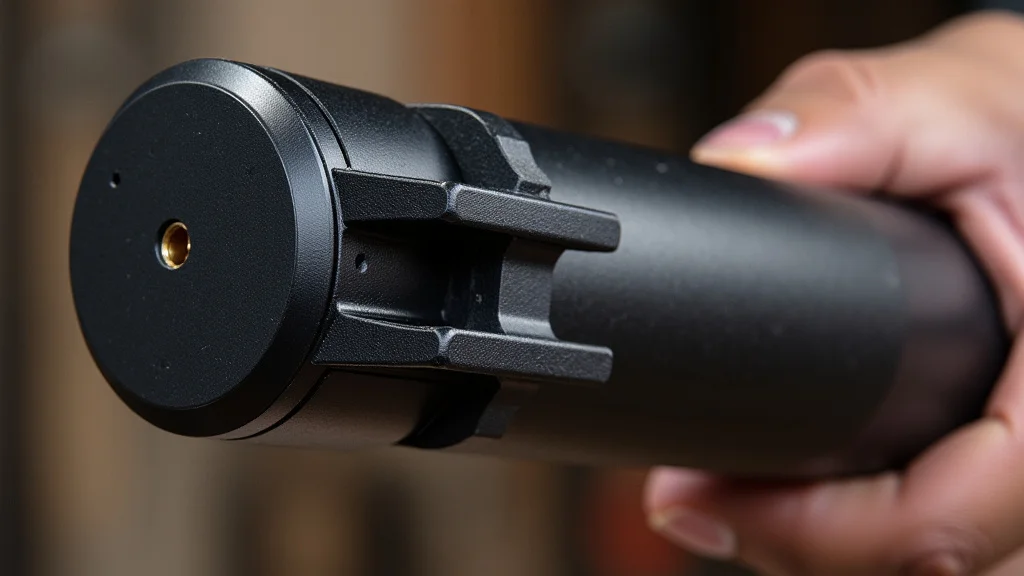
Ever been to a shooting range and noticed how loud the gunfire can be? Or maybe you’ve wondered how the movies make gunshots sound so much quieter? The answer lies in the suppressor, sometimes mistakenly called a silencer. Building one yourself, while often subject to strict laws, can be an interesting process. This guide breaks down the essential aspects of how to build a suppressor, providing you with a thorough exploration of its construction and inner workings. By the end, you’ll gain a solid grasp of the components, function, and considerations involved. This information should boost your knowledge and provide insights into the technology.
The Basics of a Suppressor
A suppressor’s primary function is to reduce the noise generated by a firearm when it’s fired. It achieves this by capturing the rapidly expanding gases produced by the combustion of gunpowder and slowing their release. This, in turn, lessens the intensity of the sound waves, making the gunshot quieter. There are various designs, but the fundamental principle remains consistent: to contain and control the escaping gases. Let’s start with the basics of what makes a suppressor work and what you need to know.
Internal Components
Inside a suppressor, you’ll find a series of baffles or cones arranged within a tube. These components are critical for noise reduction. They work by redirecting and slowing the high-pressure gases. Each baffle or cone typically has a specific shape and placement designed to disrupt the flow of these gases, causing them to lose energy as they move through the suppressor. The construction materials of these elements are essential for heat and pressure management. Let’s explore the parts that are used to make up a suppressor.
-
Baffles/Cones: These are the internal components that directly interact with the expanding gases. They’re typically made of heat-resistant metals like steel or titanium. Their specific shape and arrangement greatly influence the suppressor’s effectiveness in reducing sound.
Baffles and cones serve the same purpose: to slow down and redirect the gases. Baffles often use a flat or slightly angled design, while cones may have a conical shape. The choice depends on design goals and the type of firearm. The number, material, and design of these parts directly affect the noise reduction and suppressor’s durability.
-
The Tube: The outer casing of a suppressor, providing structural support and containing the internal components. Tubes can be made from various materials, with considerations for strength, heat resistance, and weight.
The tube’s dimensions influence the overall length and weight of the suppressor. The inner diameter is precisely determined to accommodate the bullet’s path. The material should withstand high pressures and temperatures. Common choices include stainless steel, aluminum, or titanium. The tube protects the internal components and secures them in place.
-
End Caps: These are placed at each end of the tube, with one specifically designed to allow the bullet to pass through. The design of the end cap can also play a role in sound reduction.
The end cap is essential for proper function. The front end cap usually has a precisely sized exit hole for the bullet. The rear end cap usually has threads for attachment to the barrel. The hole size is chosen to minimize gas leakage and maximize sound reduction. The material should resist wear and erosion.
-
Spacers: Spacers maintain the correct spacing between the baffles or cones inside the tube, ensuring optimal performance.
These components are critical for consistent performance. They help to align the baffles and cones to maximize their effect on the escaping gases. The materials used must withstand high temperatures and pressures. Proper spacing prevents direct impacts between the bullet and the baffles, reducing damage and increasing suppressor lifespan.
Materials and Manufacturing for How to Build a Suppressor
The selection of materials and manufacturing techniques is important when considering how to build a suppressor. Materials need to withstand high temperatures and pressures, and the manufacturing process must ensure precision and durability. Materials and craftsmanship have an enormous impact on the suppressor’s lifespan, safety, and its ability to reduce sound effectively.
Material Selection
Choosing the right materials is essential for safety, durability, and effectiveness. The materials used should be able to tolerate extreme heat and pressure. Stainless steel, titanium, and some high-grade aluminum alloys are popular choices. The material will affect how long it lasts and the level of sound reduction.
-
Stainless Steel: This is a popular choice due to its strength, heat resistance, and resistance to corrosion. It is a good balance of cost and performance.
Stainless steel is generally used for baffles, tubes, and end caps. It can withstand repeated firing without significant wear, making it a reliable choice. Stainless steel is resistant to the corrosive effects of gunpowder residue. Some types can offer good performance at a reasonable cost.
-
Titanium: This material offers an excellent strength-to-weight ratio. It is also very resistant to heat and corrosion, making it a good choice for high-performance suppressors.
Titanium is often selected for its light weight and strength. It’s often used in the tube, where weight is critical. Titanium can be more expensive than steel, but its performance benefits are significant. Titanium also resists erosion from the high temperatures and pressure of the gases.
-
Aluminum Alloys: These are lighter and easier to machine than steel or titanium. They are used in some suppressor designs, particularly for the tube, to reduce weight. However, they may not handle heat as well as steel or titanium.
High-grade aluminum alloys may be used for some parts of a suppressor. Aluminum is often selected for applications where weight is a primary consideration, such as the tube. While lighter, aluminum is less heat-resistant, which means it may wear down faster. Proper design and use are necessary to ensure the suppressor’s lifespan.
Manufacturing Techniques
The manufacturing process influences the precision, effectiveness, and longevity of the suppressor. Precise machining is necessary for the proper alignment of internal components. Techniques such as CNC machining and welding are usually part of the manufacturing process.
-
CNC Machining: Computer Numerical Control (CNC) machining is used to create the internal components. This method allows for precise dimensions and the accurate alignment of baffles.
CNC machining provides the accuracy required for the tight tolerances necessary. The process uses computer-controlled machines to cut and shape the metal. CNC machining is important for the consistent production of parts that ensure safety and performance. This is used in the manufacture of baffles, cones, and other parts.
-
Welding: Welding is required for joining the different parts of a suppressor, such as the tube and end caps. The quality of the weld is critical to ensure the structural integrity of the suppressor.
Welding provides a secure way to assemble the parts, preventing gas leaks and ensuring structural integrity. Various welding methods can be used, depending on the material. Proper welding techniques are essential to ensure the suppressor can withstand the high pressures and temperatures generated during firing. Welding errors can lead to failures.
-
Surface Treatments: These are used to increase the durability and corrosion resistance of suppressor parts. They can also provide a thermal barrier.
Surface treatments, such as Cerakote, can protect the suppressor from wear and tear. They can also improve thermal properties and reduce the risk of corrosion. The coating adds a layer of protection against the elements and friction. Coatings can also improve the appearance of the suppressor.
Understanding Sound Reduction Methods
The primary goal when considering how to build a suppressor is to reduce the sound of a gunshot. The process of sound reduction involves capturing and slowing down the escaping gases from the firearm. There are different ways to achieve this, involving various internal component designs and arrangements.
Baffle Design and Arrangement
The design and arrangement of baffles or cones are key factors in how well a suppressor works. The shape, angle, and positioning of these components influence the path of the gases. The goal is to cause them to slow down and lose energy. This is usually accomplished by redirecting the gases. Here is a closer look.
-
Baffle Shapes: Baffle shapes vary widely, including cones, flat baffles, and K-baffles. The shape dictates how the gases move through the suppressor. The goal is to maximize the disruption of the gas flow to reduce noise.
Conical baffles are sometimes used for their ability to direct gas flow effectively. Flat baffles are generally a simpler design and can still be effective. K-baffles often offer a good balance between sound reduction and volume. Selecting the right shape for the application is essential.
-
Baffle Angles: The angle of baffles can influence the gas flow and noise reduction. Angled baffles can direct the gases away from the shooter and towards the walls of the tube.
Angled baffles can help to prevent the gases from directly impacting the end cap. This reduces wear and tear and can improve performance. Angling also contributes to a more controlled expansion of the gases, reducing noise levels. The angle should balance noise reduction with the durability.
-
Baffle Spacing: The space between the baffles plays a role in how effectively the gases are slowed down. Optimal spacing allows the gases to expand and cool.
Proper spacing is crucial for ensuring the gases have room to expand. This expansion helps in reducing the sound. Too little space can reduce effectiveness. Too much space may add extra length without a corresponding reduction in sound.
Gas Expansion Chambers
These chambers are areas within the suppressor that allow the expanding gases to spread out and cool. By increasing the volume available, the pressure and temperature are reduced. This reduction is a key part of noise reduction.
-
Volume and Design: The volume and shape of the expansion chambers influence how well the gases cool and reduce pressure. Larger chambers generally provide more space for expansion.
The shape of the expansion chamber influences how the gases move and dissipate energy. The design should maximize the volume without making the suppressor too large or heavy. The design should also improve the flow of gases.
-
Gas Flow Dynamics: The arrangement of the chambers affects the flow of gas. Efficient flow helps to keep the gases from re-accelerating, which can lead to increased noise.
Efficient gas flow is an important factor in sound reduction. This is achieved by designing chambers that allow gases to expand and cool without significant turbulence or re-acceleration. This contributes to better performance.
-
Cooling Properties: The materials used in the chambers can help to cool the gases, which will lower the noise. Materials that absorb heat, such as steel or titanium, are good choices.
The cooling properties of the chamber components affect overall noise reduction. Heat absorption can help lower the temperature of the gases, which contributes to lower sound levels. These properties can extend the lifespan of the suppressor.
Legal and Safety Aspects of How to Build a Suppressor
Considering how to build a suppressor requires a thorough grasp of the legal and safety requirements. The construction and use of suppressors are heavily regulated by federal laws. It is essential to ensure compliance with all applicable laws.
Federal Regulations
In the United States, suppressors are regulated under the National Firearms Act (NFA). This law requires registration, background checks, and a tax stamp for each suppressor. Failure to comply can result in severe penalties.
-
NFA Compliance: The NFA requires that you register the suppressor with the Bureau of Alcohol, Tobacco, Firearms and Explosives (ATF). This process includes filling out paperwork and paying a tax.
Before beginning the construction of a suppressor, one must file an application with the ATF. This includes submitting fingerprints and a photograph. You are required to wait for the application to be approved. This can take months.
-
Background Checks: Those who seek to obtain a suppressor must pass a background check. This is done to prevent those who are legally prohibited from owning firearms from acquiring suppressors.
The background check is conducted through the ATF. The check ensures that the applicant meets the legal criteria to own a firearm and accessories. The applicant will need to provide detailed personal information to the authorities.
-
Tax Stamp: A federal tax stamp must be purchased for each suppressor. The tax is typically $200. This tax payment is part of the registration process.
This tax is a fee collected by the federal government for the registration of the suppressor. The money from this stamp goes to the government. This is a crucial element to becoming legal when building and owning a suppressor.
Safety Considerations
Building and using a suppressor involves several safety considerations. Improper construction can lead to dangerous situations, including injury to the shooter. The suppressor also needs to be used safely, especially with firearms.
-
Material Integrity: The materials should be able to withstand the pressure and heat from firing a gun.
Choosing proper materials and construction is essential for a safe design. Using poor-quality materials or incorrect construction techniques may cause the suppressor to fail. This could result in injury to the user.
-
Proper Attachment: The suppressor must be securely attached to the firearm. This prevents it from coming loose during firing.
The attachment method, such as threading or mounting systems, should be precise and reliable. A loose suppressor can create a dangerous situation. It can also damage the firearm and the suppressor itself.
-
User Protection: The shooter and any bystanders should always wear hearing protection. Using a suppressor alone does not provide adequate protection.
While suppressors reduce sound levels, they do not completely eliminate noise. Additional protection is necessary to prevent hearing damage. This includes the use of earplugs or earmuffs.
Testing and Maintenance of a Suppressor
After considering how to build a suppressor, the testing and maintenance are important. Regular inspections and maintenance help ensure that the suppressor is operating correctly and safely. This includes checking for damage, wear, and cleaning the device to keep it in good shape.
Testing and Inspection
Testing and inspection are crucial steps to confirm the suppressor’s effectiveness. You should inspect the suppressor before and after each use. These steps help detect any problems early. Any damage should be addressed immediately.
-
Visual Inspection: Before each use, carefully inspect the suppressor for any signs of damage, such as dents, cracks, or loose components.
Check the exterior of the suppressor for damage. Look for any bulges, cracks, or other signs of stress. Check the threads or mounting system to ensure that they are in good condition. If any defects are discovered, avoid using the suppressor until they are repaired.
-
Performance Check: Check the suppressor’s sound reduction capabilities after firing. This helps you notice any changes in performance.
Pay attention to any increase in the sound level after each shot. This is especially important if you suspect there has been any damage. You may use a sound level meter for an accurate assessment.
-
Internal Inspection: Remove the suppressor and inspect the baffles and tube for erosion, carbon buildup, or damage.
Disassemble the suppressor, if possible, to inspect the baffles. Check for any signs of erosion or damage caused by the high heat and pressure. Clean off any carbon buildup to maintain performance.
Maintenance and Cleaning
Proper maintenance and cleaning are necessary to extend the lifespan and performance of your suppressor. Cleaning the suppressor removes residue. Maintenance reduces the risk of corrosion and helps ensure that the suppressor functions safely.
-
Cleaning Methods: Use appropriate cleaning agents and methods, based on the suppressor’s materials.
The cleaning agent and method vary depending on the materials used in the suppressor’s construction. Follow the manufacturer’s recommendations. Cleaning removes carbon buildup and residue to keep the suppressor working effectively. The method may involve solvents, ultrasonic cleaners, and specialized tools.
-
Lubrication: Apply lubricants to moving parts or threaded areas to prevent corrosion and ensure smooth operation.
Proper lubrication is crucial for reducing friction and preventing corrosion. Use a high-temperature lubricant. Apply the lubricant to the threads and any moving parts. Avoid over-lubricating, as excessive lubricant can attract debris.
-
Storage: Store the suppressor in a dry, safe place away from extreme temperatures and humidity. This prevents corrosion.
Proper storage is important for extending the life of the suppressor. Store the suppressor in a cool, dry place. Avoid storing it in areas with high humidity, which can promote corrosion. If the suppressor is not in use, store it in its case.
Frequently Asked Questions
Question: Is it legal to build a suppressor?
Answer: Yes, but building a suppressor is subject to strict federal regulations. You must register the suppressor with the ATF and comply with all NFA requirements.
Question: What materials are used to make a suppressor?
Answer: Common materials include stainless steel, titanium, and aluminum alloys. The choice depends on factors like heat resistance, weight, and cost.
Question: How does a suppressor reduce noise?
Answer: A suppressor reduces noise by capturing and slowing the expanding gases produced by the gunpowder. Baffles or cones redirect the gases, and reduce the intensity of sound waves.
Question: What is a tax stamp?
Answer: A tax stamp is a $200 federal tax paid to the ATF for each suppressor. It is part of the registration process required under the NFA.
Question: What are the safety considerations when using a suppressor?
Answer: Always wear hearing protection. Ensure the suppressor is securely attached to the firearm and inspect it regularly for any signs of damage.
Final Thoughts
The process of how to build a suppressor involves many steps. From understanding the parts to the legal requirements and safety considerations, this guide breaks down the essential aspects. The core of a suppressor’s design centers on slowing and cooling the hot gases. Using strategically placed baffles or cones, the goal is to trap and redirect the gases to diminish the sound produced. Materials such as stainless steel and titanium are often used, chosen for their resistance to heat and pressure. Remember to keep in mind the need for proper maintenance and regular testing, along with strict adherence to all legal regulations. By understanding these key factors, you can explore the world of suppressors. If you choose to explore this complex field, ensure all your actions are fully compliant with laws and regulations.

